|
|
||||||||


|
AUSTRALIA
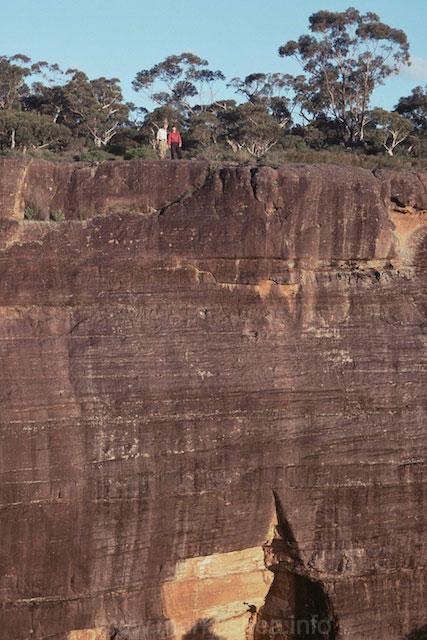
2000 "On The Edge" Morton National Park, Nowra
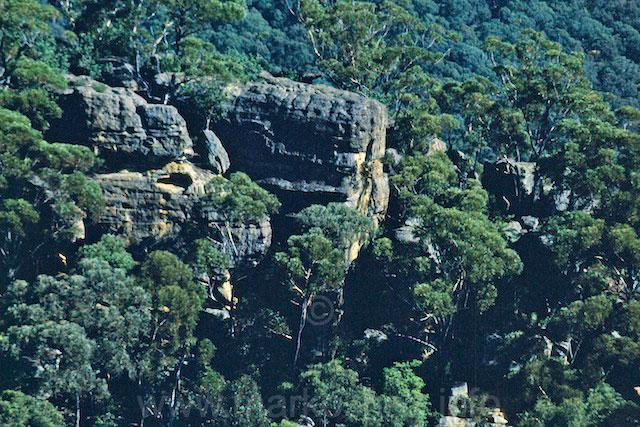
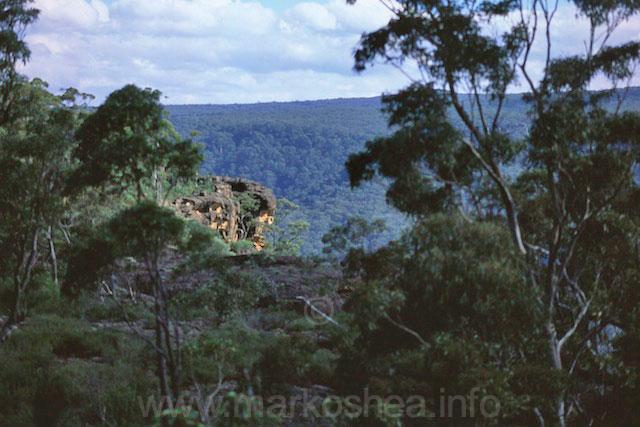
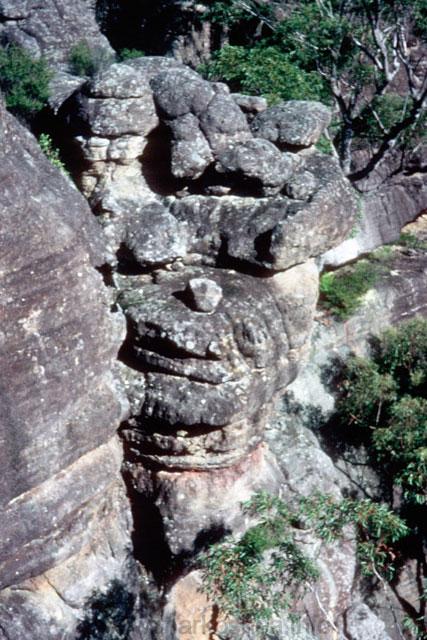
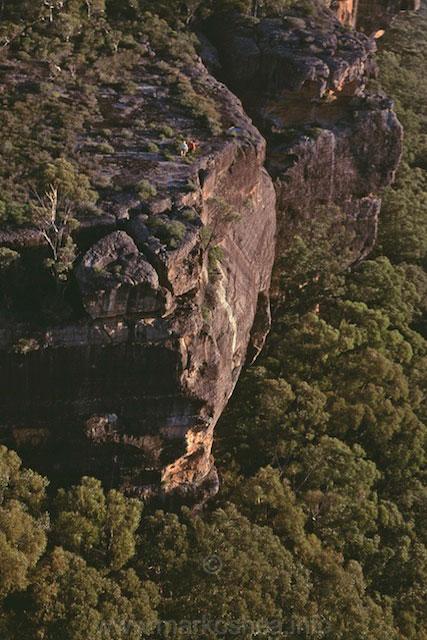
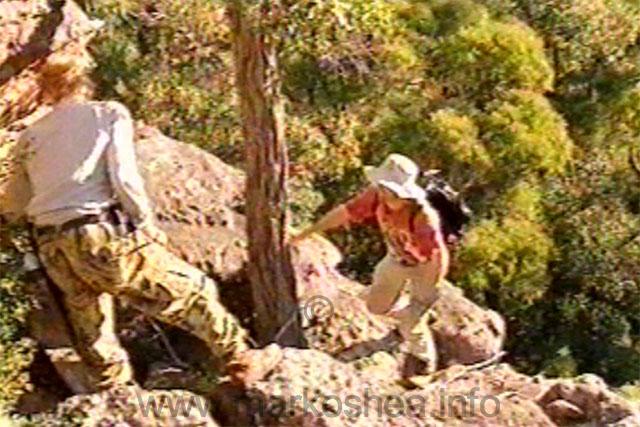
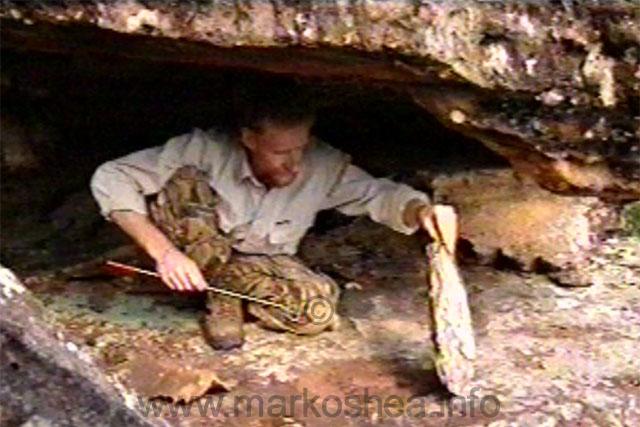
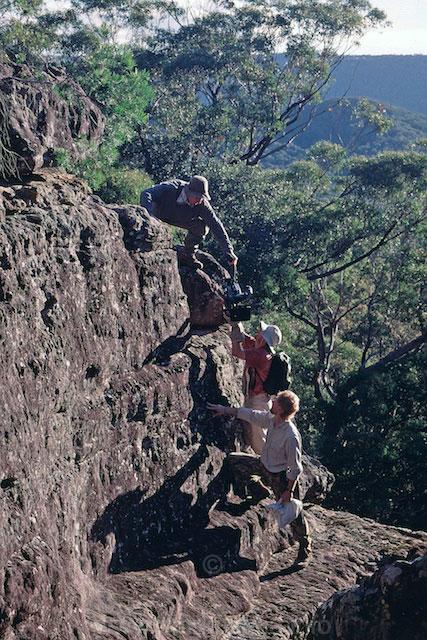
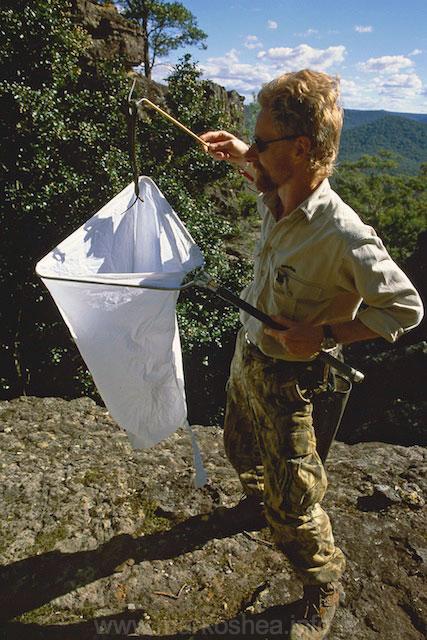
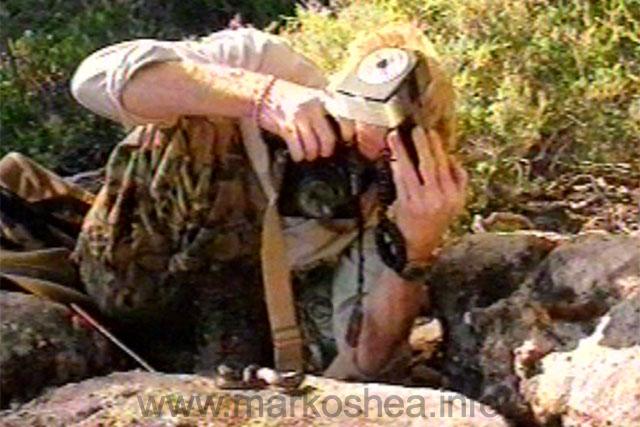
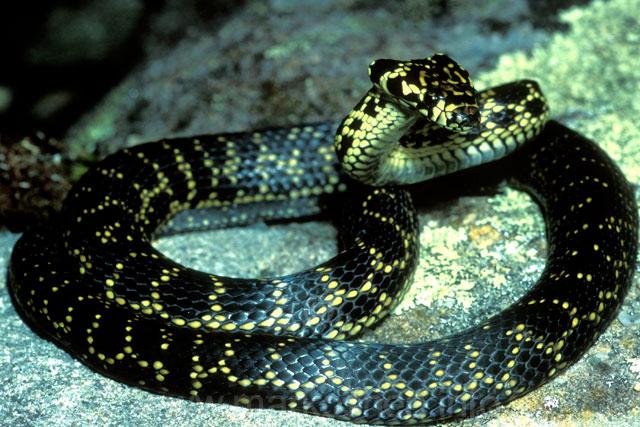
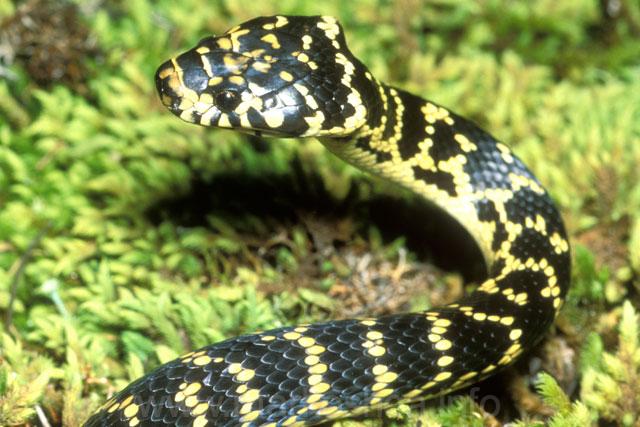
Morton National Park is located 170 kms south of Sydney, inland from Nowra where we were based for four days during our search for Broad-headed snakes (Hoplocephalus bungaroides). We were joined on this stage of the film by Jonathan (Jonno) Webb, an herpetologist who had studied the snakes of the Hawkesbury sandstone escarpments intensively as a member of the Shine Lab, at the University of Sydney - one of the most active and productive field herping teams in the world, headed by the respected herpetologist Professor Rick Shine. Jonno was now based at the Northern Territory University, Darwin, and had flown down to join us. We were able to drive up to the first ridges of the escarpments by road but beyond these cliffs the Morton National Park stretched away into the distance with further ridges, inaccessible by road, emerging from the rainforest in the haze. The Hawkesbury sandstone cliffs plunged straight down into the rainforest, sheer drops of hundreds of metres. Unfortunately the snake we were seeking, the Broad-headed snake, had a strong preference for rock on rock situations, which meant to find it we would have to venture to the very edges of the precipices and maybe climb down onto ledges or into cliff-face caves.
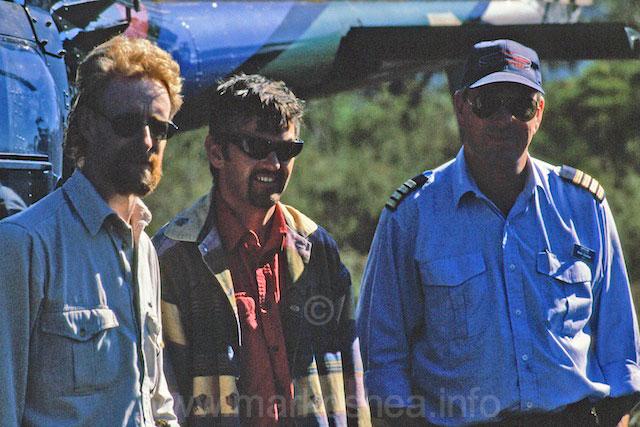
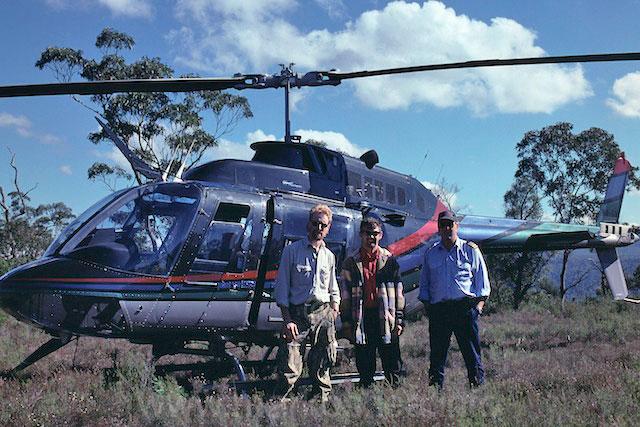
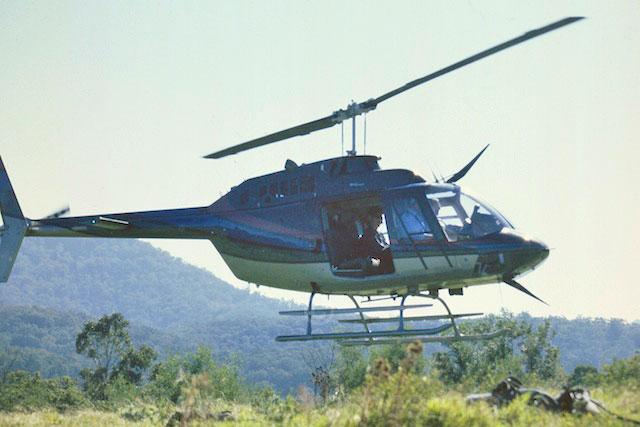
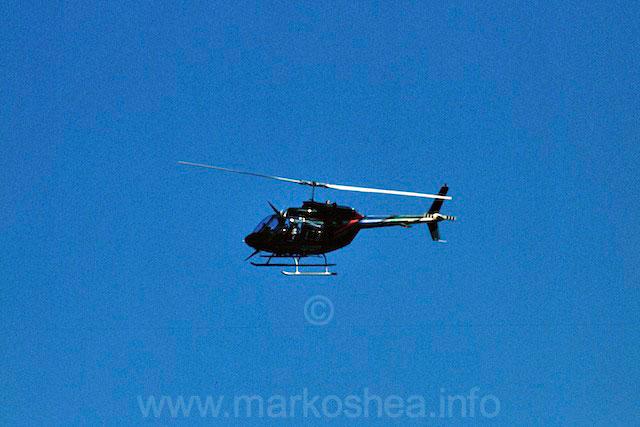
The film crew used the helicopter for aerial shots of the Hawkesbury sandstone landscape and also to film Jonno and me "On the Edge". The trouble was the updraft from the rotor-blades was so powerful it almost blew us over the edge!
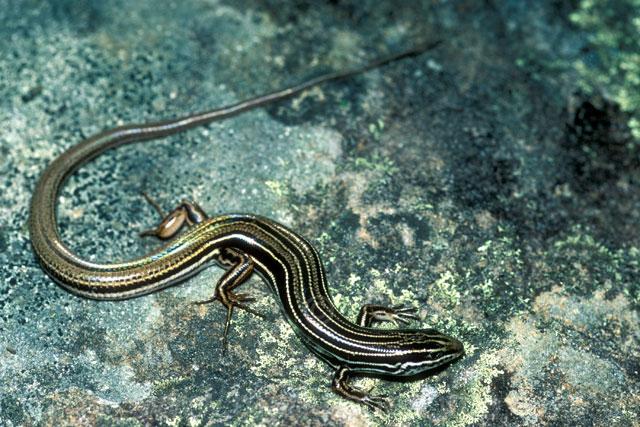
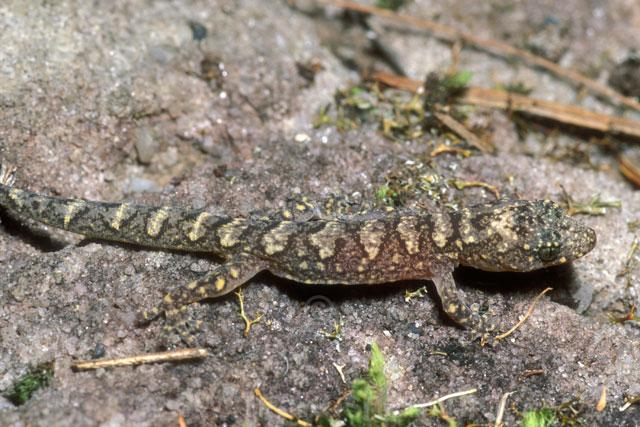
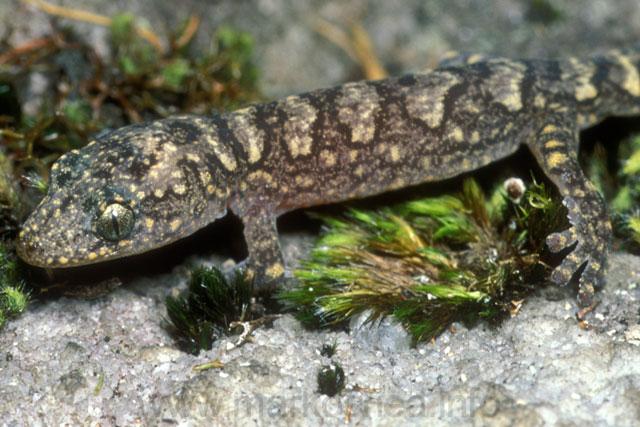
We found lizards on the sandstone escarpments: Elegant snake-eyed skinks (Cryptoblepharus pulcher pulcher), Copper-tailed ctenotus (Ctenotus taeniolatus) and Lesueur's velvet gecko (Oedura lesueurii), this last the main prey of the Broad-headed snake. We did not find any amphibians.
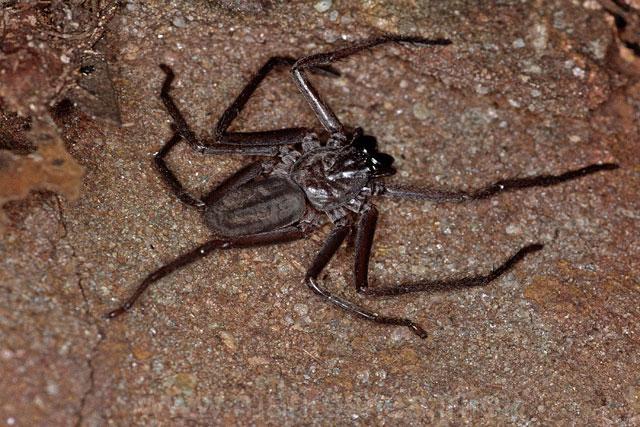
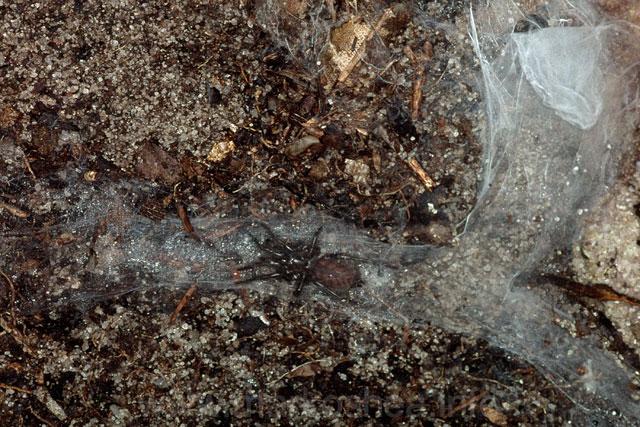
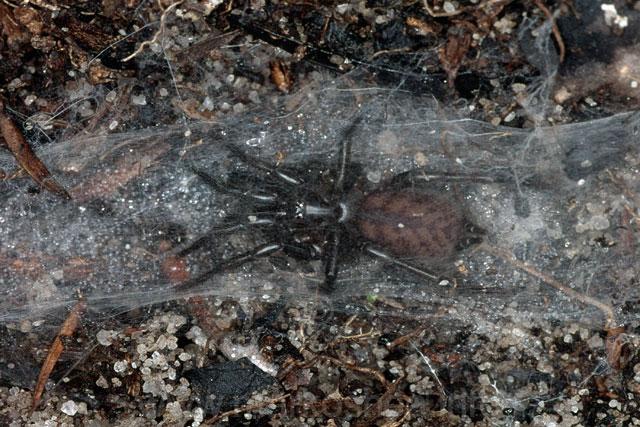
Broad-headed snakes live under flat slabs of rock, always in rock on rock situations, never rock on soil, which means they are often found closer to the edges of the escarpment drop-offs than back at the vegetation line. Lesueur's velvet geckos are found under the same rocks, as are fast-moving Flat rock spiders (Hemicloea major)*. In more vegetated habitats we found the Sydney brown trap-door spider (Misgolas rapax). * Goldsbrough,Hochuli& Shine 2004 Fitness benefits of retreat-site selection: spiders, rocks and thermal cues. Ecology 85(6): 1635-1641.
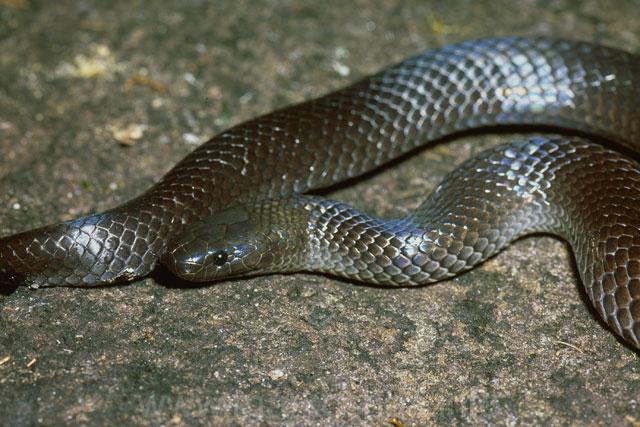
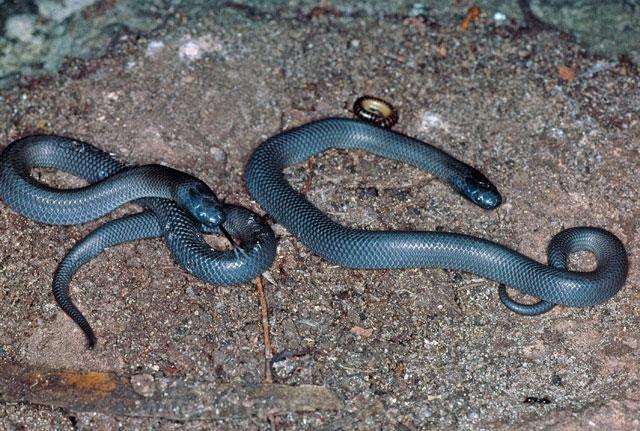
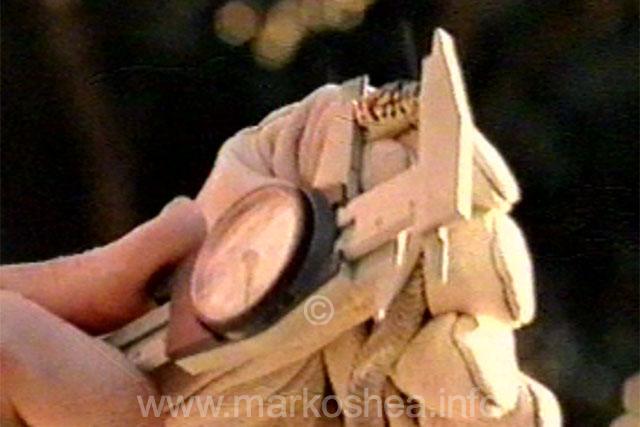
Jonno Webb has PIT-tagged his study animals which meant if we encountered one we would know it by its number when it was scanned with the PIT-tag reader. Since Jonno had the records from his fieldwork we could determine how much the snake had grown since it was last encountered. We were anxious that because these initial ridges were accessible by road, that the endangered snakes may have been removed by snake collectors or disturbed/killed by bush-rock collectors. We found a great deal of evidence of rocks being moved and not replaced in exactly the same position. Our searching on the accessible escarpments located several Eastern small-eyed snakes (Cryptophis nigrescens), the adults of which also carried PIT-tags for Jonno to scan, but our initial searches did not reveal any Broad-headed snakes.
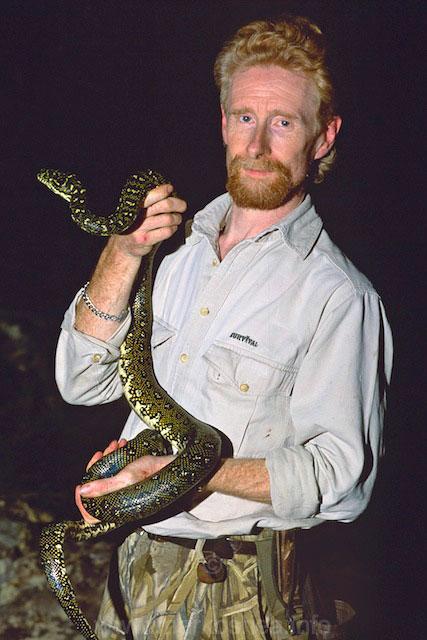
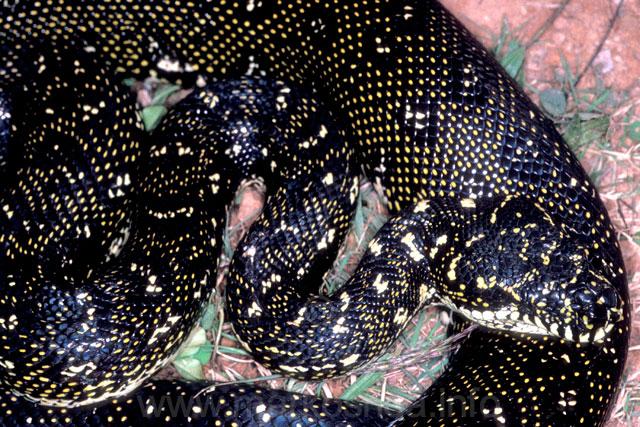
We therefore sought to find more difficult, less accessible locations such as the top of a sandstone knoll. Almost as soon as we climbed onto the knoll we caught a large Diamond python (Morelia spilota spilota) basking in the early morning sunlight.
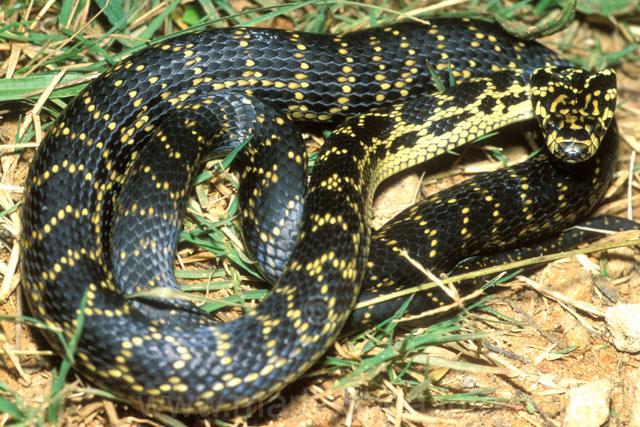
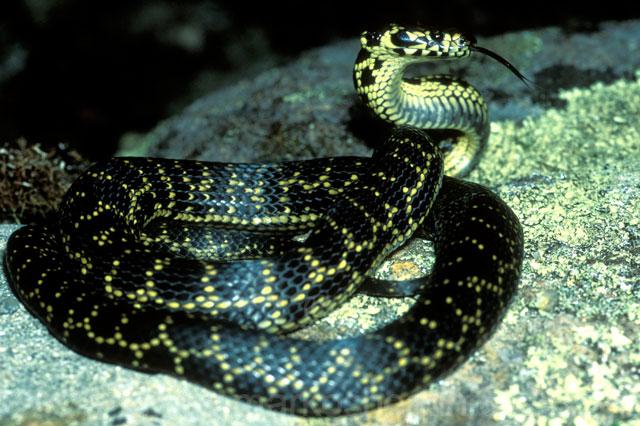
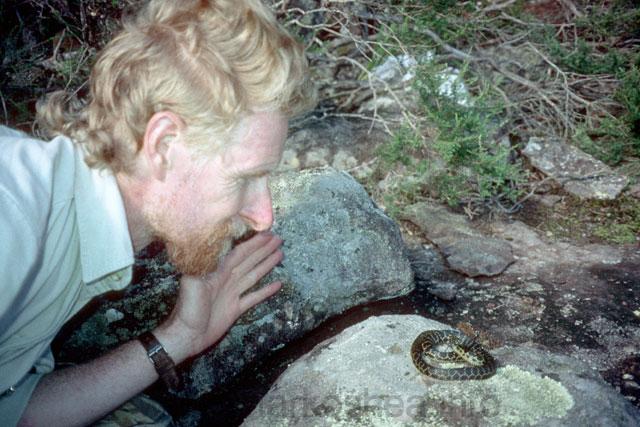
Shortly after we had found the Diamond python we found the first Broad-headed snake, sheltering under a rock on the very edge of the drop-off. The snake was carefully captured, scanned for its tag through the Probag, filmed, photographed and returned. This snake had last been captured and scanned five years earlier in 1995.
We eventually found four specimens, all adult, all with PIT-tags.
Concerned that the snakes may have been in danger of being collected out from the accessible ridges, extirpated (a localised extinction), we hired a helicopter to fly to some of the remoter ridges, escarpments and stacks in the distance. These locations had no road access and would take days to reach on foot so we felt confident that they would remain unaffected by human-mediated depredations. We flew with an expatriot British pilot called Martin Donahue and we landed on several sandstone escarpments ranging from fairly large to very small towering stacks. While Martin returned for the film crew Jonno and I set about searching for reptiles.
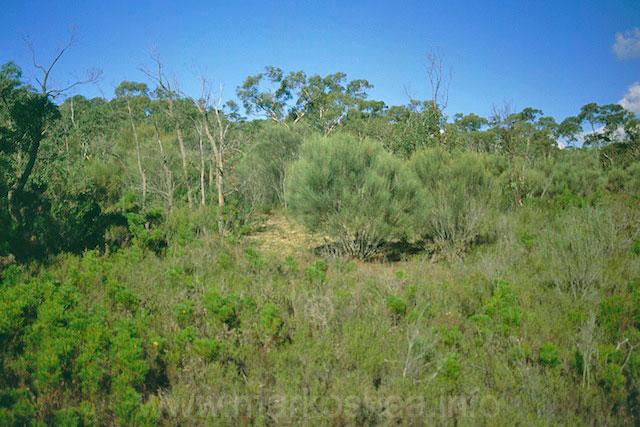
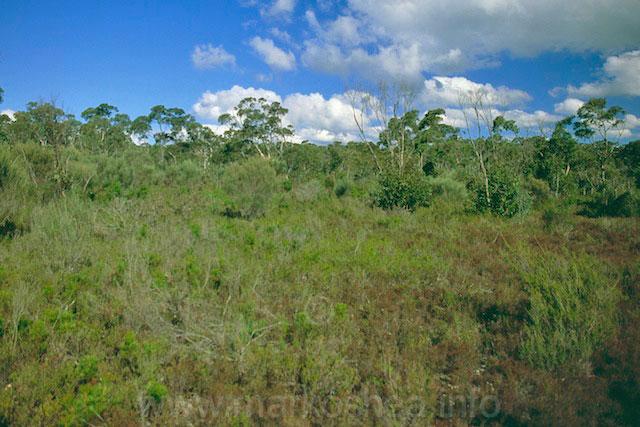
The vegetation on the tops of the remote escarpments and stacks we visited by comprised largely of grasses and scrubby trees.
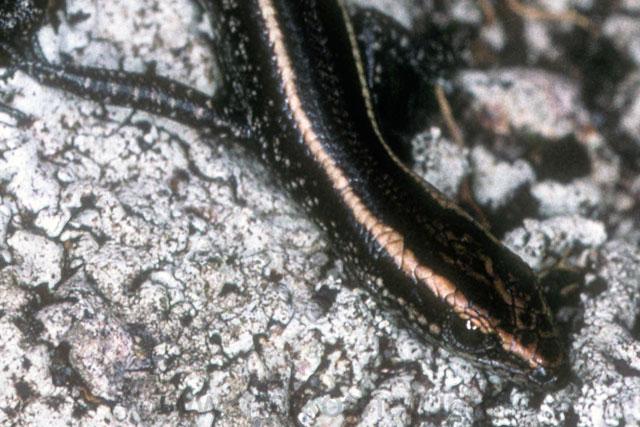
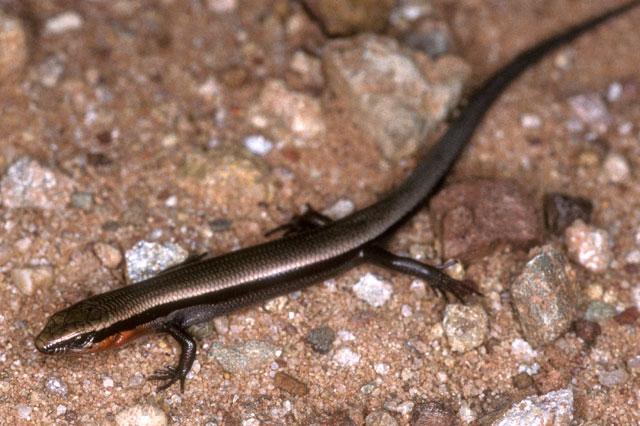
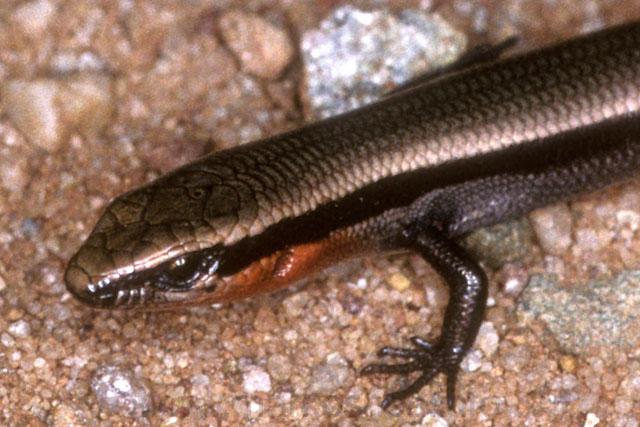
We found only one species, the Red-throated skink (Bassina platynota). We wondered if they had suffered bush-fires and if so, whether the reptile populations had been extinguished, making recolonisation form the rainforest far below a difficult challenge.
This did not bode well for the future of the Broad-headed snake because if many of these otherwise protected remote populations had been wiped-out by fire then the wild population of this endangered snake was in a worse position that we had formerly believed. We returned to the ridge accessible by road and continued searching on some of the remoter parts of the escarpment. By the end of the trip we had found 1 Diamond python, 7 Eastern small-eyed snakes, and 7 Broad-headed snakes. We headed back north to Sydney for our final search for the Blue Mountain funnel-web spider.
|
|||||||||||||||||||||||||||||||||||||||||||||||||||||||||||||||||||||||||||||||||||||||||||||||||