|
|
||||||||


|
AUSTRALIA
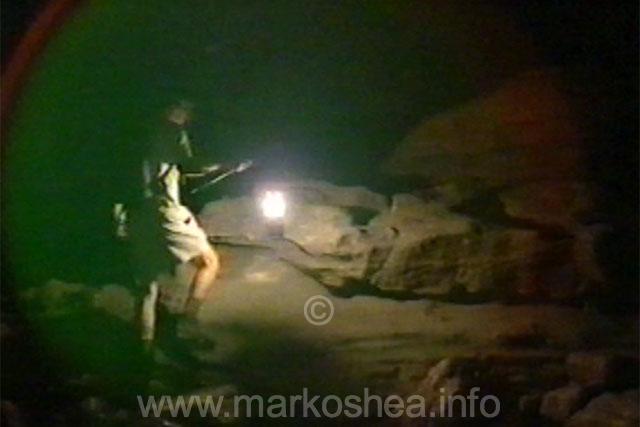
2000 "After The Flood" Hunter River, Western Australia If the day was the time to find monitor lizards, skinks and dragons, then the night was for frogs and geckos, but of course we were primarily hoping to find snakes, particularly pythons, active after dark.
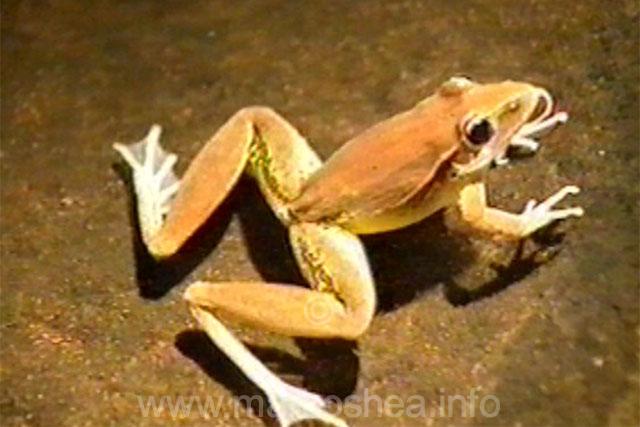
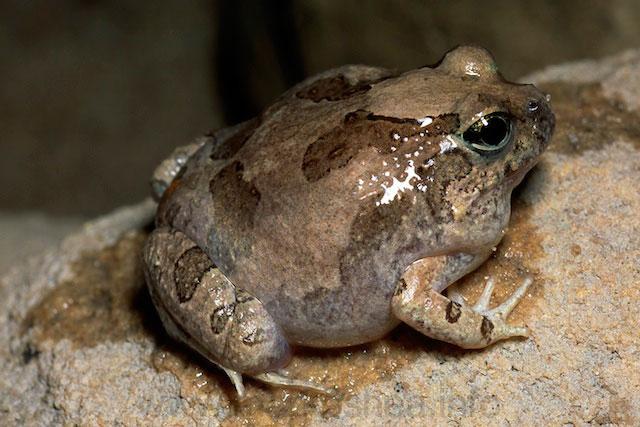
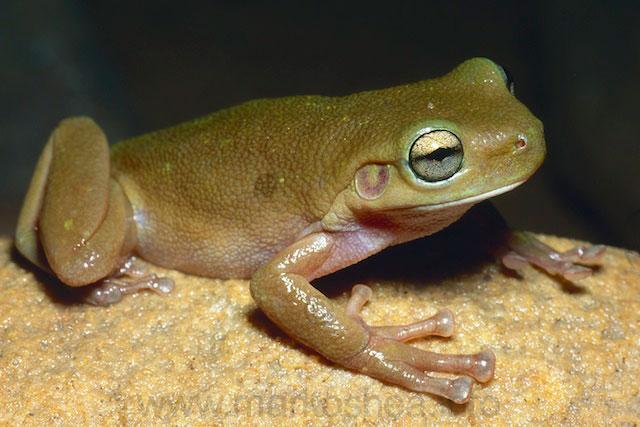
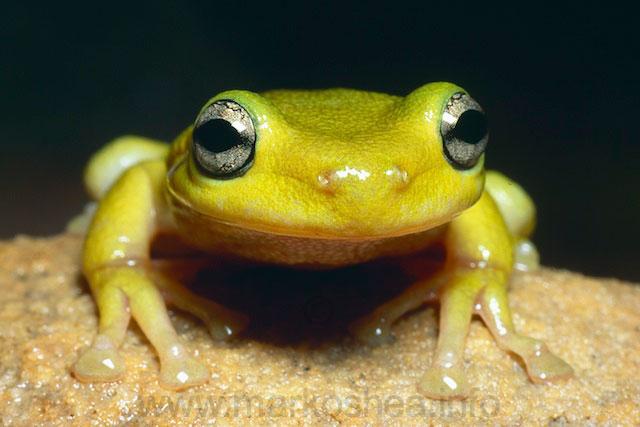
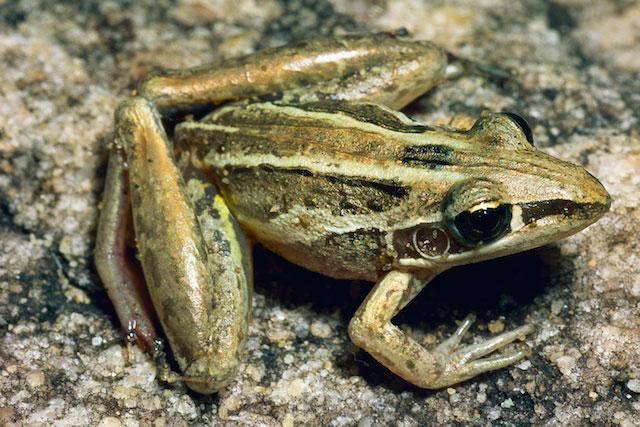
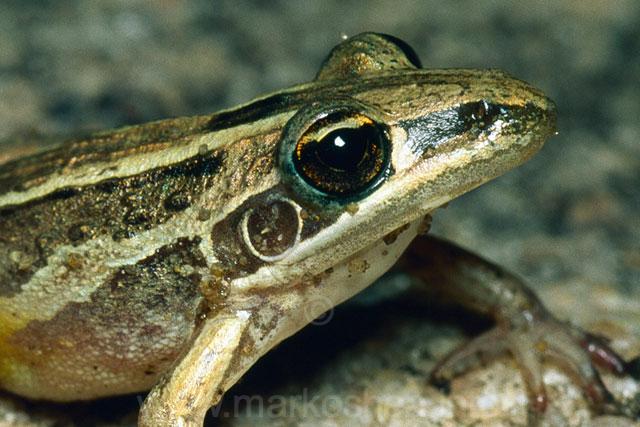
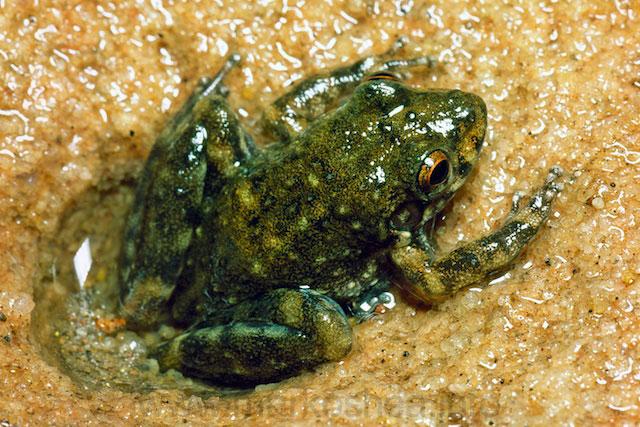
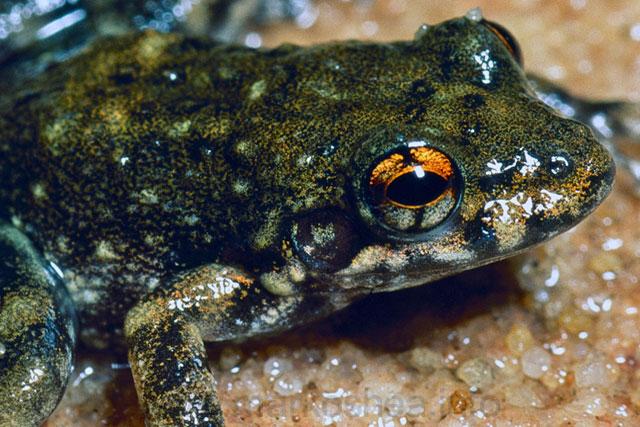
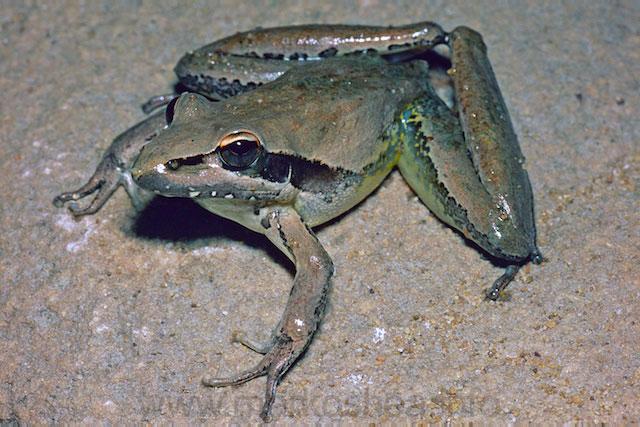
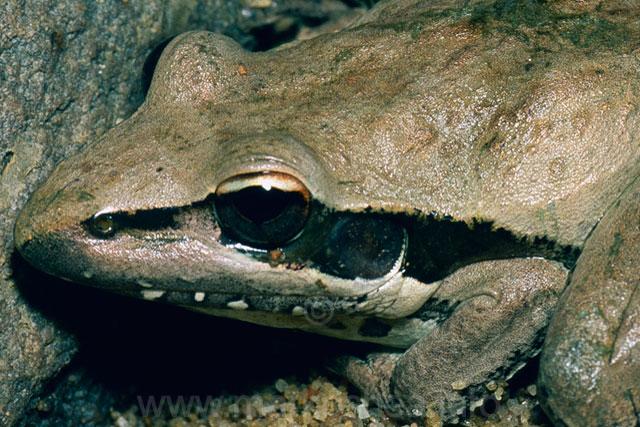
Frogs were abundant on the warmer evenings, in the rock pools, on the cliffs and in small pools on the rocks. We found Ornate burrowing frog (Platyplectrum ornatum) and the Marbled frog (Limnodynastes convexisculus), the latter not photographed but already recorded on the Mitchell Plateau. We also found the Cave-dwelling frog (Litoria cavernicola), Copland's rock frog (Litoria coplandi), the Rocket frog (Litoria nasuta) with its go-faster stripes and pointed head, the Rockhole frog (Litoria meirana) inhabiting the tiny water-filled indentations on the rocks, the Watjulum frog (Litoria watjulumensis) and Roth's treefrog (Litoria rothii), not photographed by also seen and photographed on the Mitchell Plateau.
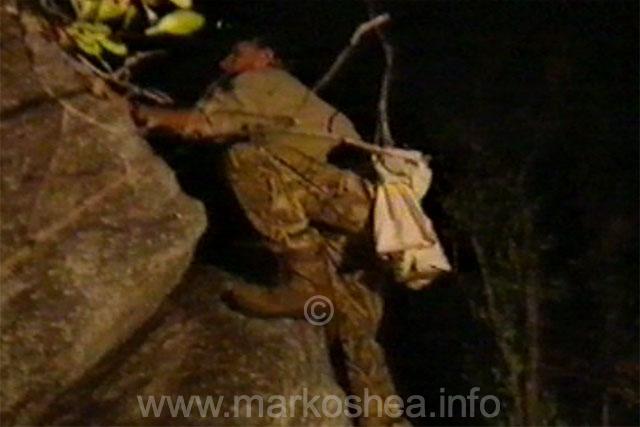
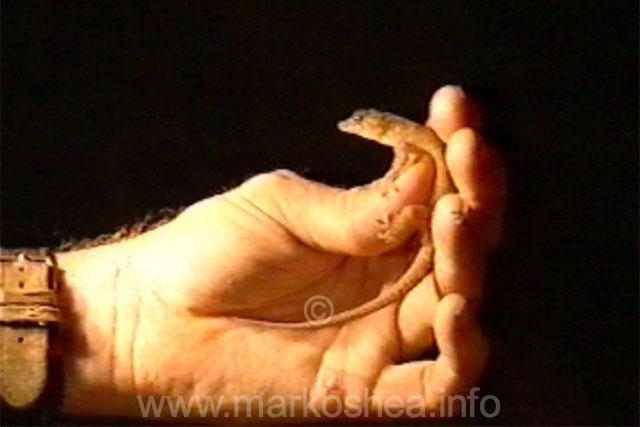
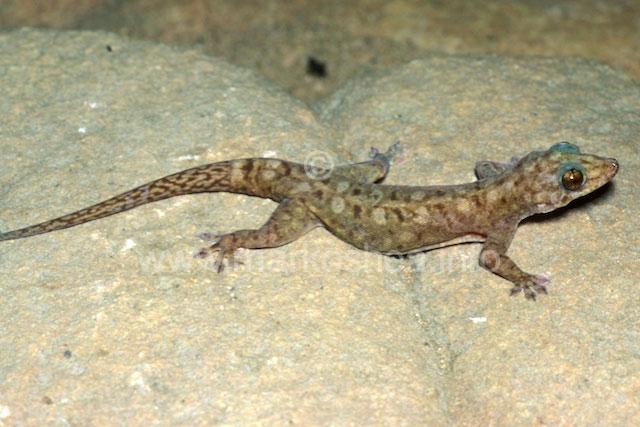
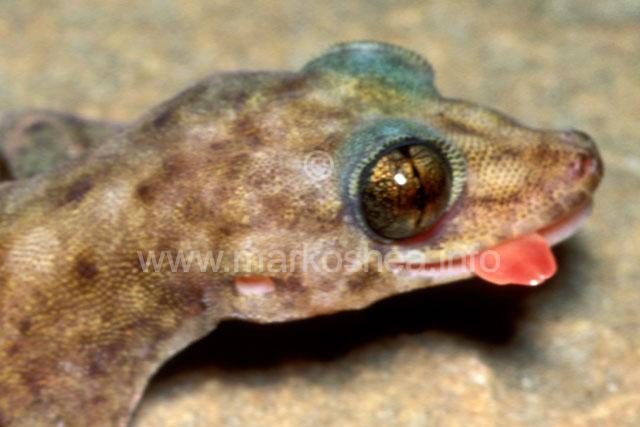
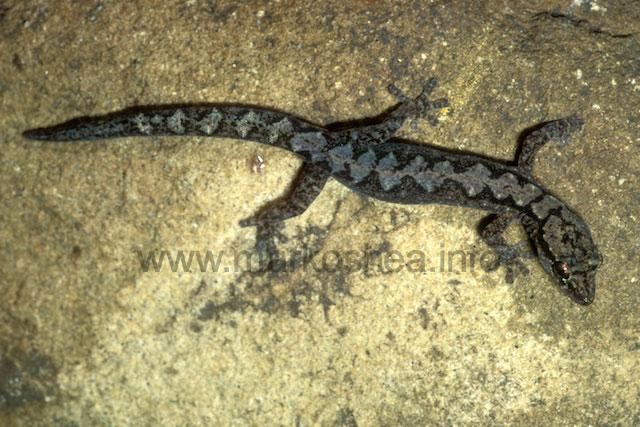
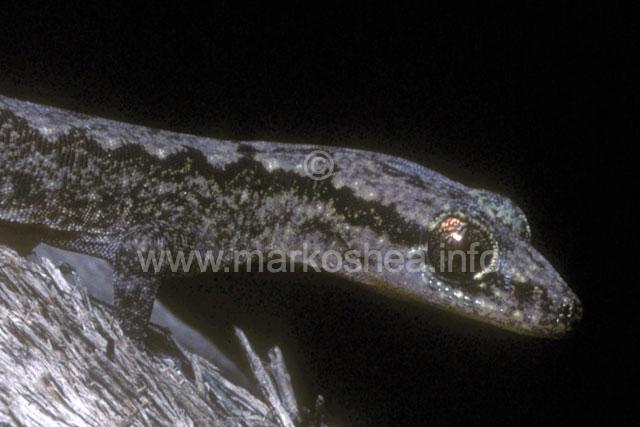
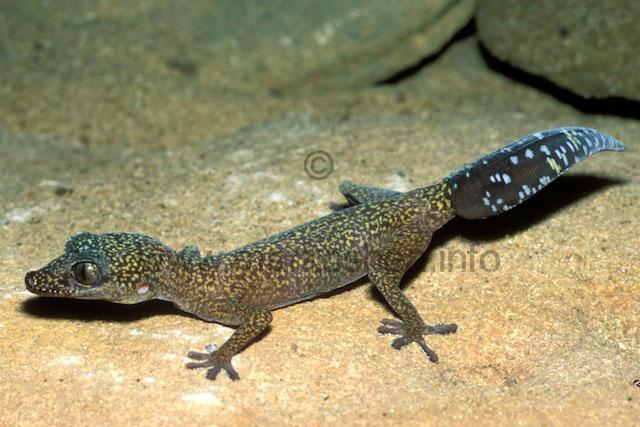
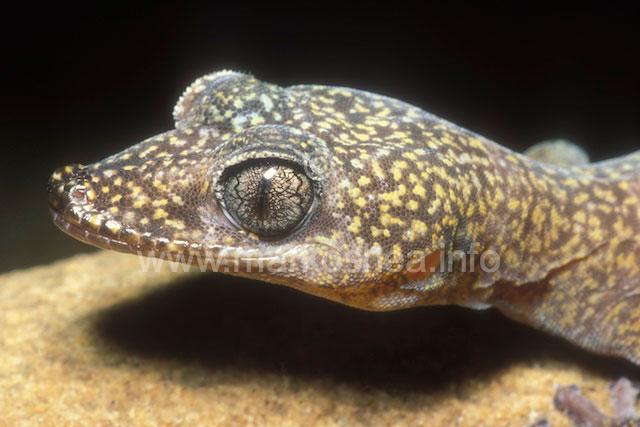
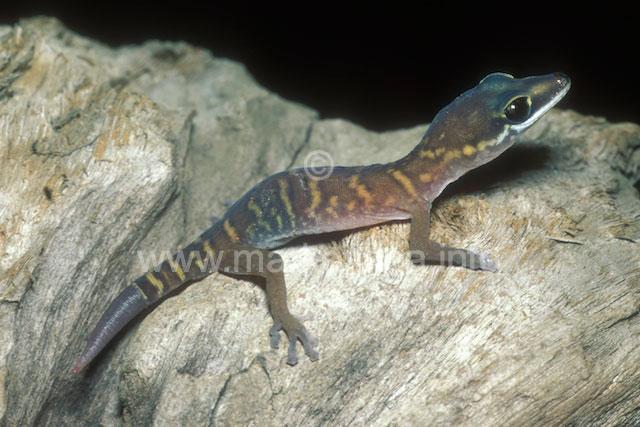
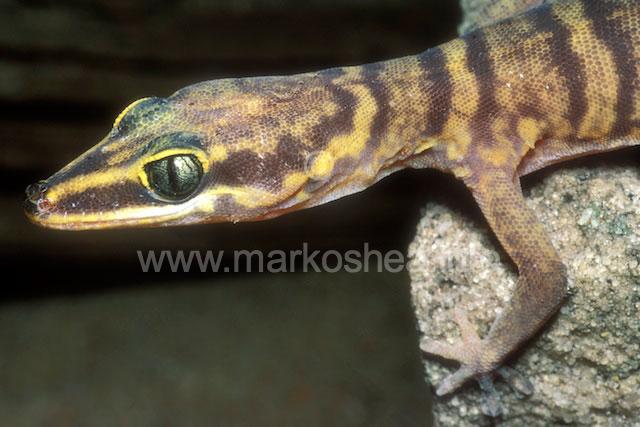
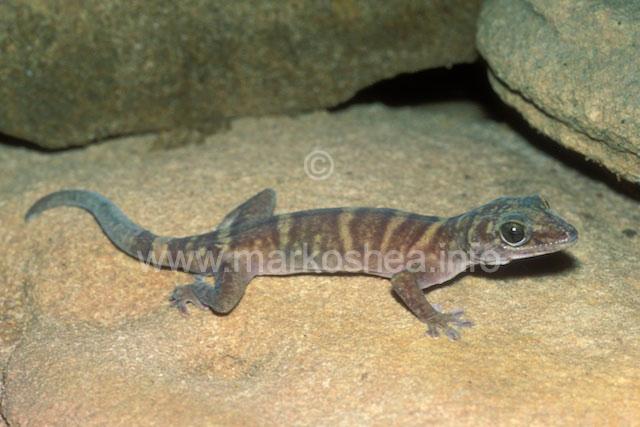
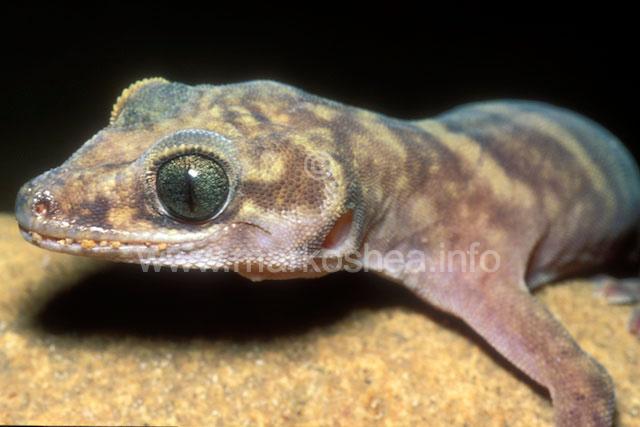
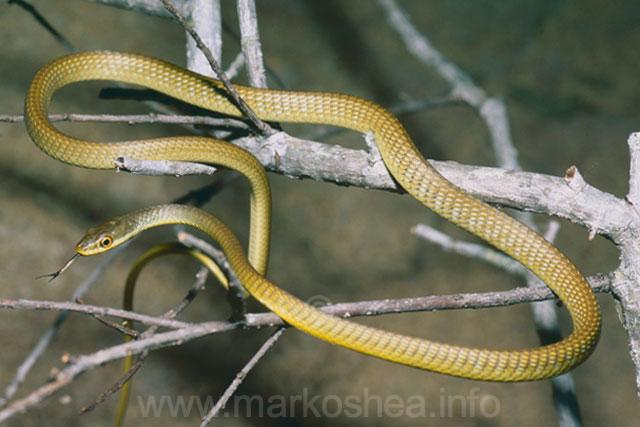
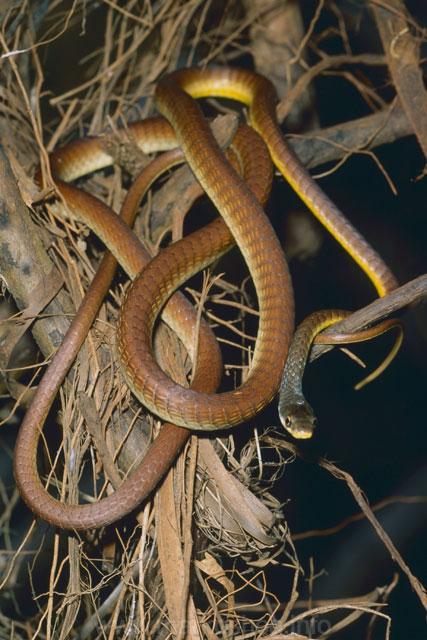
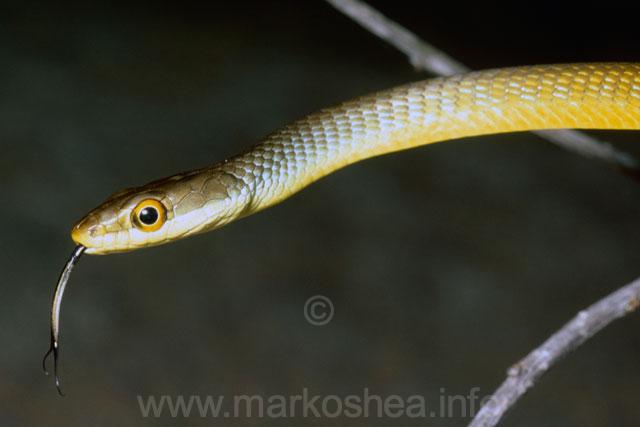
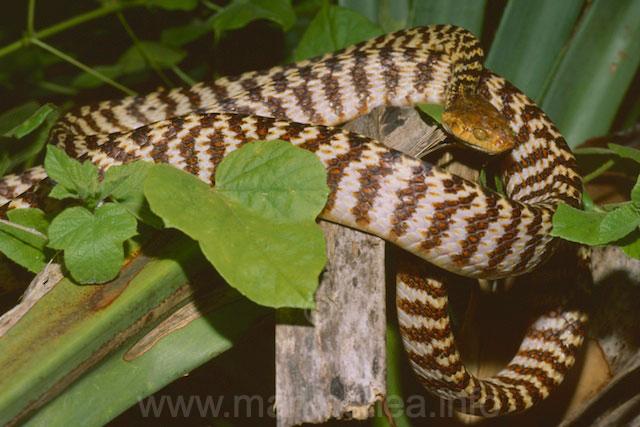
Geckos were also common on the cliff-faces or litoral vegetation, ie. Crocodile-faced dtella (Gehyra xenopus), Rhombic velvet gecko (Oedura rhombifer), Fringe-toed velvet gecko (Oedura filicipoda), Gracile velvet gecko (Oedura gracilis), and the Slim velvet gecko (Oedura obscura), the latter not photographed. A Western giant cave gecko (Pseudothecadactylys cavaticus) was captured in a large rock fissure. And we got snakes at night. Sleeping diurnal Common treesnakes (Dendrelaphis punctulatus) were found in the fragmented forest at the head of the gorge, their white underbellied highly visible in the branches at night. We also captured two Night tiger treesnakes (Boiga iregularis ornata)*, a possible subspecies and distinctive banded pattern-morph of the widespread Austalopapuan Brown treesnake (Boiga irregularis) which has also been treated as a separate species (Boiga fusca). *For a comparitive study of the Australopapuan-Solomons treesnakes (Boiga irregularis) see:
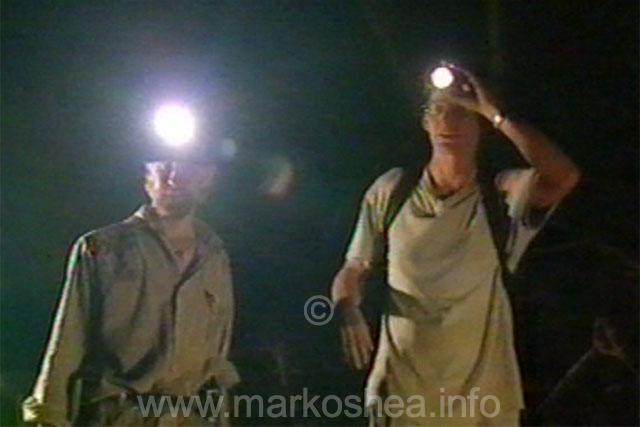
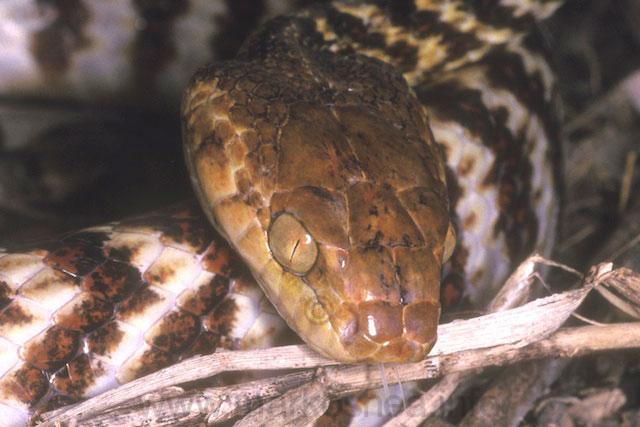
By despite all the frogs, geckos, skinks, dragons, monitors and colubrid snakes, after eight days in the Hunter River gorge we had not found a single python, least of all the python we were seeking, the Rough-scaled python (Morelia carinata). With just two days and a wake-up to go before we were evacuated from the gorge, director David asked me to record a "piece to camera" (PTC) explaining how we had been unsuccessful in our quest to find the 8th known specimen of this rare and poorly known python.
|
|||||||||||||||||||||||||||