|
|
||||||||


|
TIMOR-LESTE 2012
Victor Valley College Tropical Research Initiative Maganuto, Bobonaro District
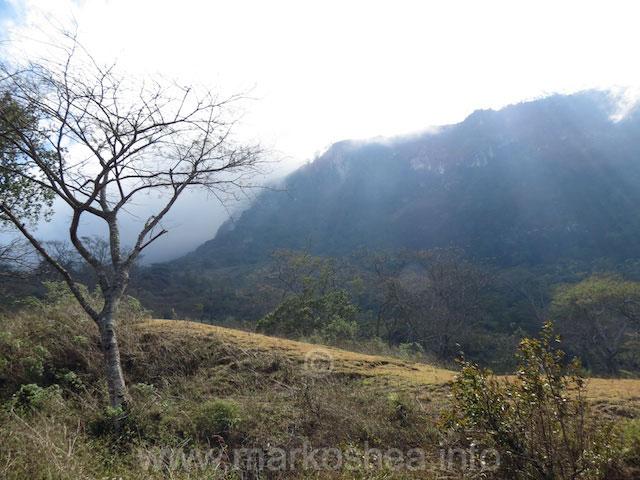
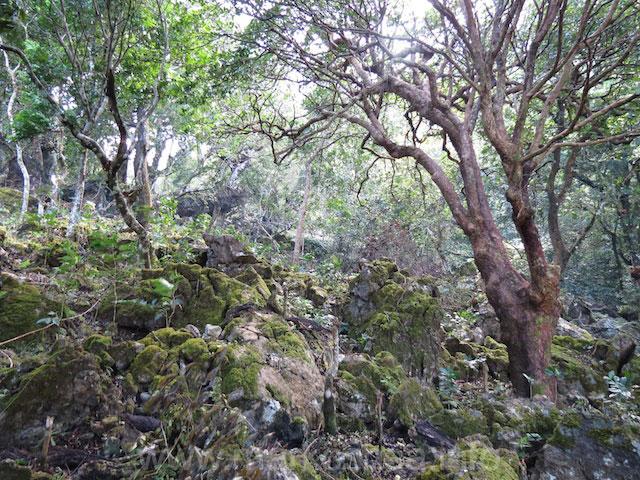
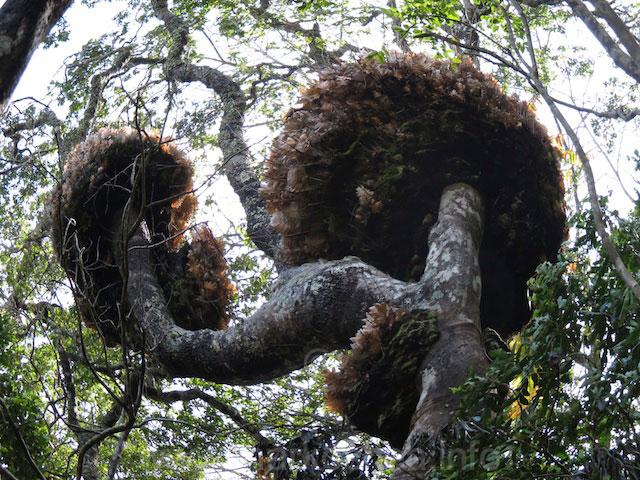
Zito managed to get the day off work to take us to a likely location where we could find montane reptiles and amphibians about 30 minutes east from Maliana. It involved a short climb from the village of Maganuto at 923 m elevation, through three different habitat types to teh base of Mt Leolaco. Much of the climb was across coarse montane grass with scattered rocks but there were areas of dense buttressed trees, hooked vines, cacti and bamboo, and then there was the mossy forest at around 1200 m on the lower slopes of the cliff that towered above us. This last habitat was our destination, an area of large trees growing out of accumulated rock-falls, the whole largely covered by moss and epiphytes.
As we climbed we could clearly see how close we were to the Indonesian border across the river.
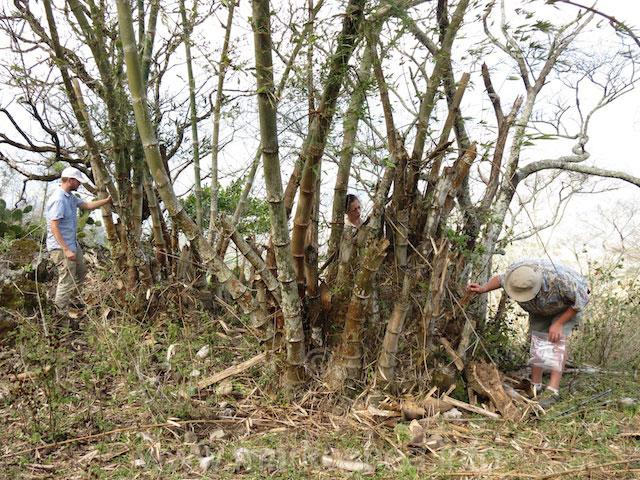
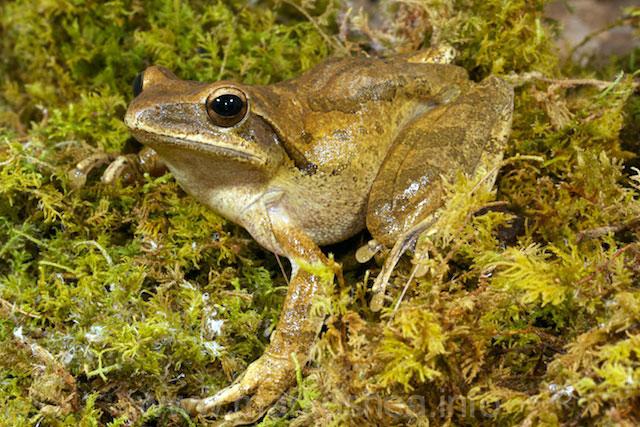
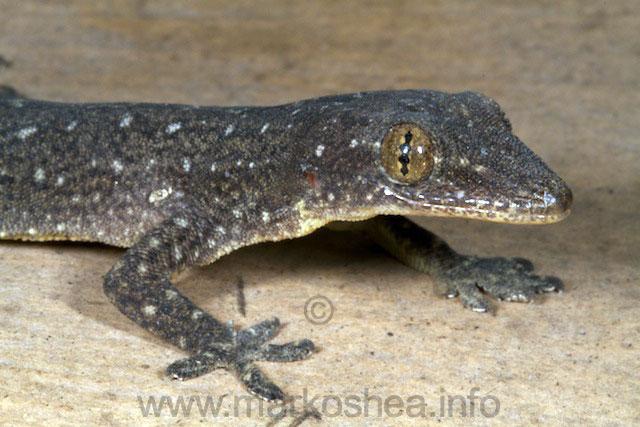
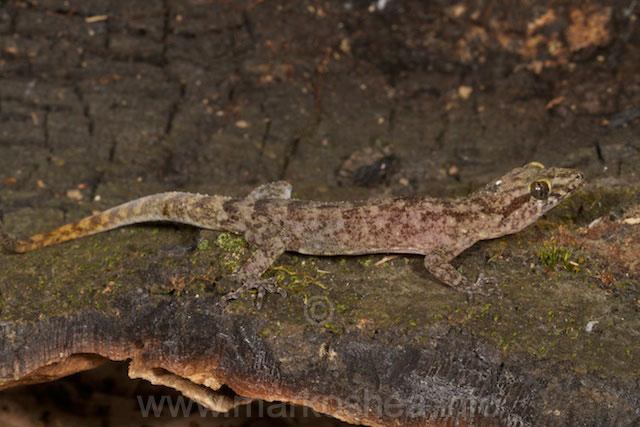
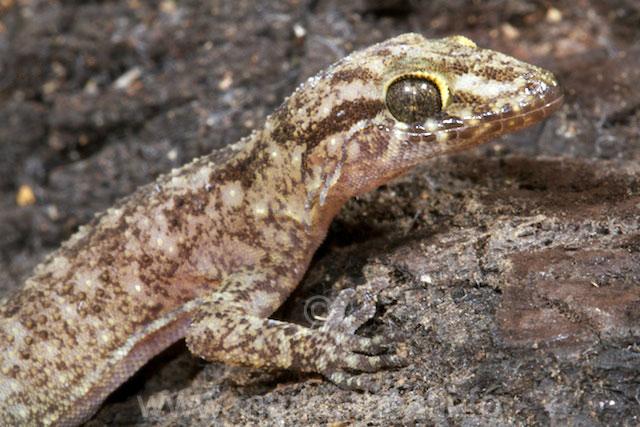
On the way to the mossy forest we searched some bamboo clumps and found them a good source for very dark specimens of Indo-Pacific gecko (Hemidactylus cf. garnotii) and some interesting invertebrates. We found these geckos fairly common, encountering them in other bamboo clumps on the hillside. We found a Bent-toed gecko (Cyrtodactylus sp.9) in a termite-hollowed tree and a Striped treefrog (Polypedates cf. leucomystax) under a rock, out in the middle of the course grassy habitat a long way from the nearest tree.
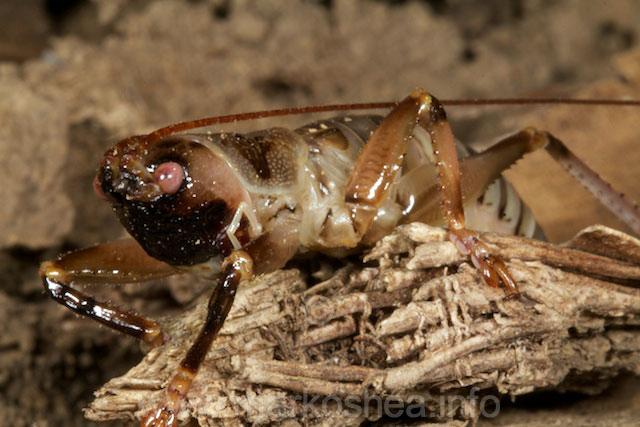
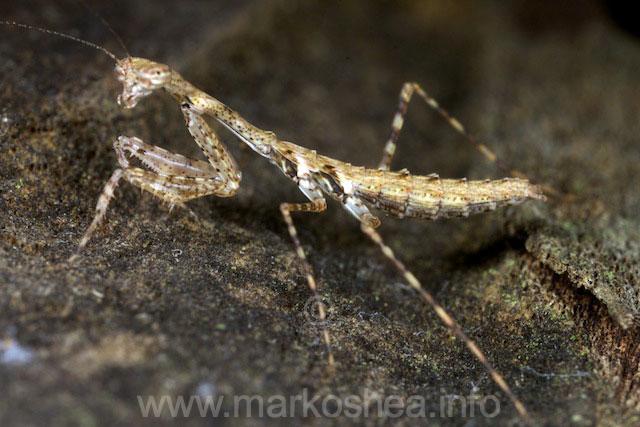
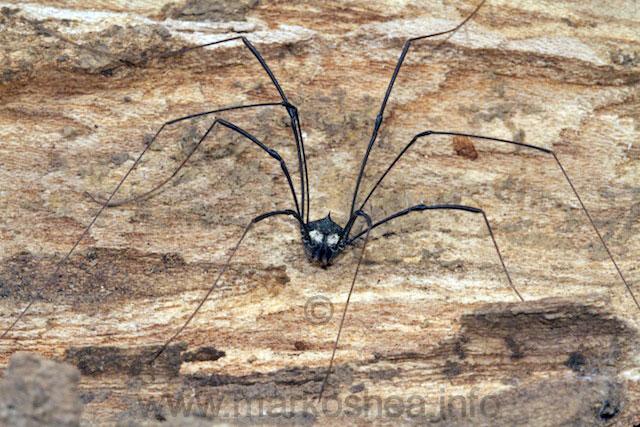
We reached the moss forest but found it surprisingly devoid of reptiles or amphibians, although the rocky base did look an ideal place for pythons to hunt at night. Amongst the interesting invertebrates found were small praying mantids, a large and formidable ground cricket and an interesting opilones, which in English we call a harvestman but Americans term a daddy-long legs (this last name is used for the unrelated crane flies in England and is also used by some people for the long-legged and also unrelated cellar spiders).
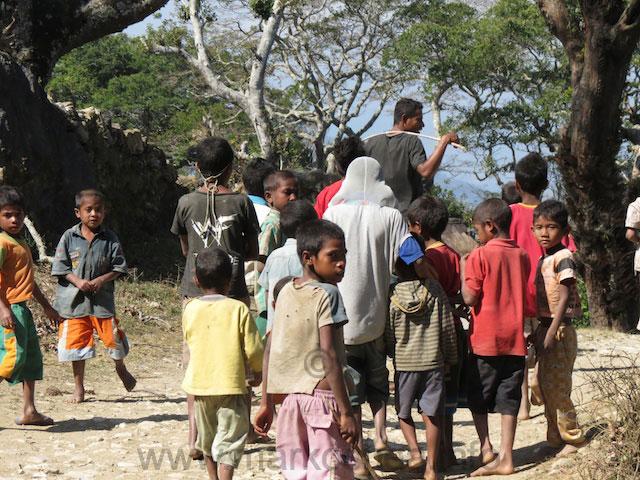
Back at Maganuto we got reports of a large lizard in a rocky crevice. Paulo went to investigate, accompanied by the village children, and returned to say it was a large Tokay gecko (Gekko gecko gecko).
|
|||||||||||||||||||||||||||||||||||||||||||||||||||||