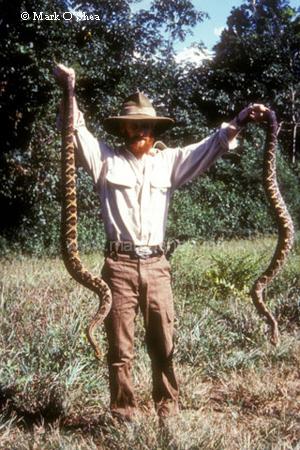
During the seven months of the herpetofaunal survey, which encompassed both wet and dry seasons, 66 species of reptiles were documented using a wide variety of methods. Many species were recorded for the first time using methods not adopted by previous visitors to Ilha Maracá.
Some of these methods are illustrated below.
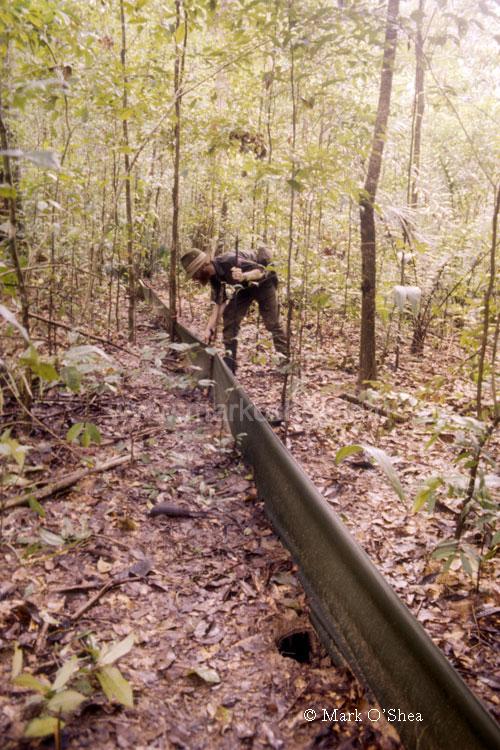
Drift fences are an excellent way to survey the forest-floor herpetofauna.
There were three 40m herpetofaunal drift fences established on Ilha Maracá and they
yielded many first records for secretive fossorial species.
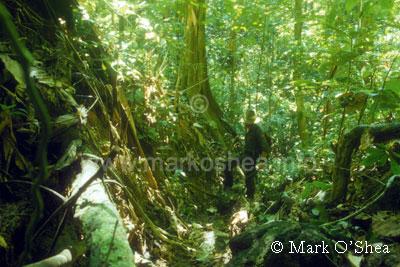
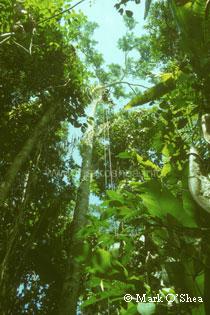
From the florest floot to the forest canopy.
First find a suitable tree with bromeliads and other epiphytes. (This method was also used to secure bat and moth traps at varying heights in the canopyfor other fieldworkers, emphasising the cooperative approach to fieldwork.)
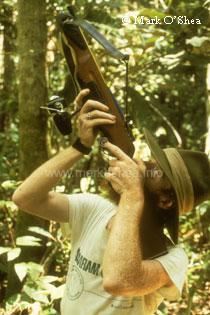
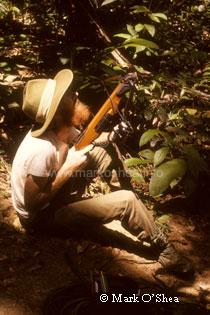
Fire a braided nylon line over the chosen branch using a crossbow.
Carefully wind back the line until the crossbow bolt descends from the other side of the branch.
Haul up climbing ropes and then use single-rope caving techniques to reach the canopy.
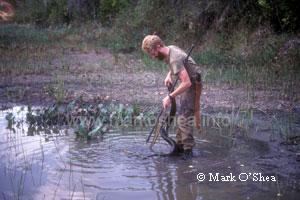
Catching a Green anaconda,Eunectes murinus, in the lagoon during the day.
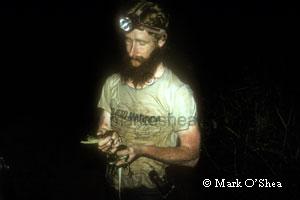
Catching Spectacled caiman, Caiman crocodilus, in the lagoon at night.
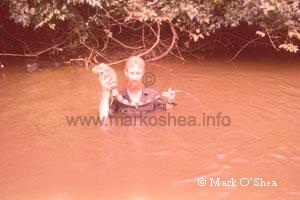
Catching aGreen iguana, Iguana iguana, in the river.
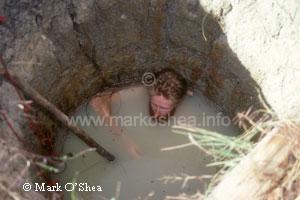
Hunting for toads in a disused well.
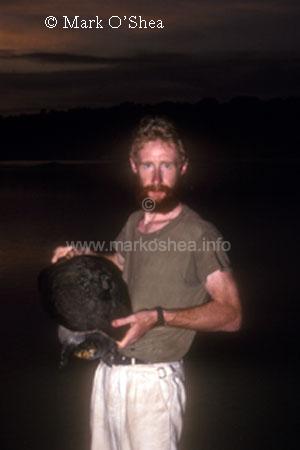
Catching river turtles for the survey was one of the most challenging tasks and required surreptitious methods. This is a Yellow-spotted river turtle, Podocnemis unifilis.
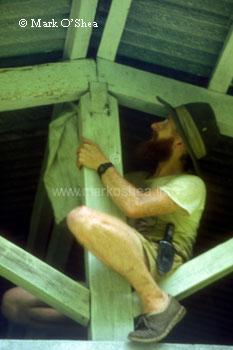
Searching for bird-eating spiders, geckos and cat-eyed snakes in the roofs of station buildings.
Catching a wary Common boa, Boa constrictor. This one had struck a porcupine and had five spines
in its mouth, which were removed.
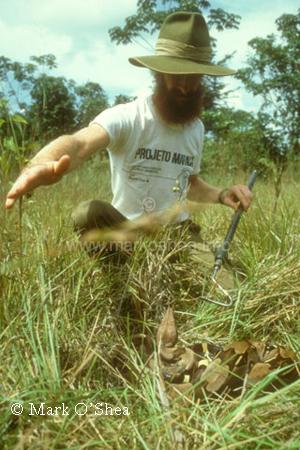
Huge Mt Roraima rattlesnakes, Crotalus durissus ruruima, occurred on the savanna and even entered
the forest to a depth of 0.5km.