|
|
||||||||


|
|
TIMOR-LESTE 2010
Victor Valley College Tropical Research Initiative Pante Macassar, Oecusse District
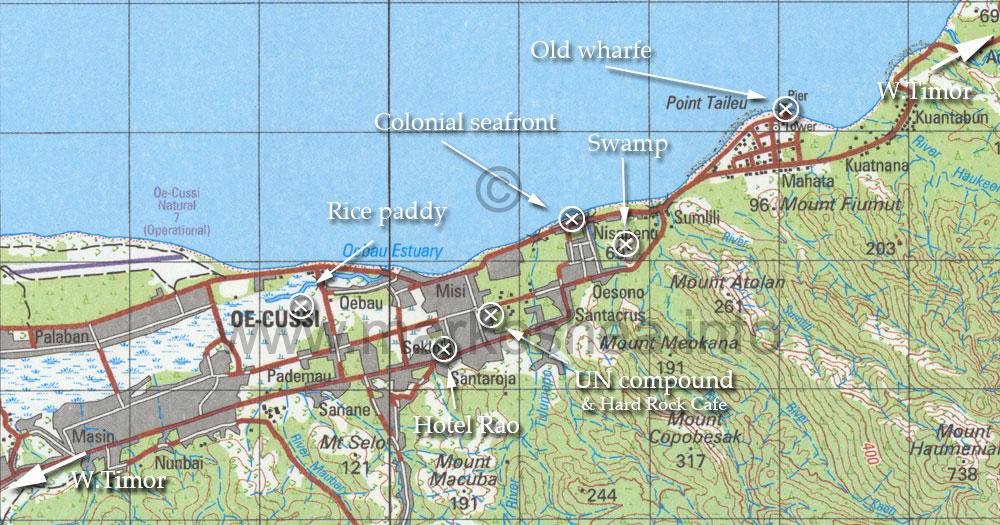
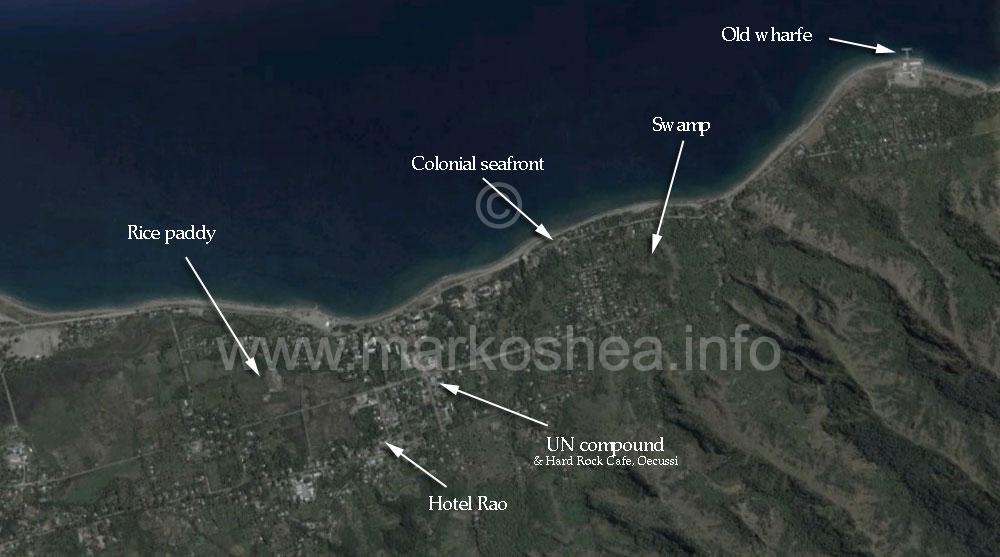
We set up our headquarters at the Hotel Rao, near the centre of Pante Macassar, the main town of the Oecusse exclave. Christy and Luis had arrived the previous day and done a recce of the town.
The town has that look of decaying decadence more associated with Havana, Cuba - you can see it was once an architecturally grand place with numerous stylish buildings, many of which are now shells.
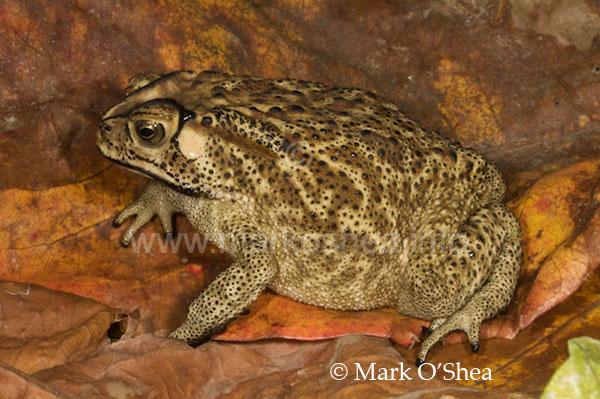
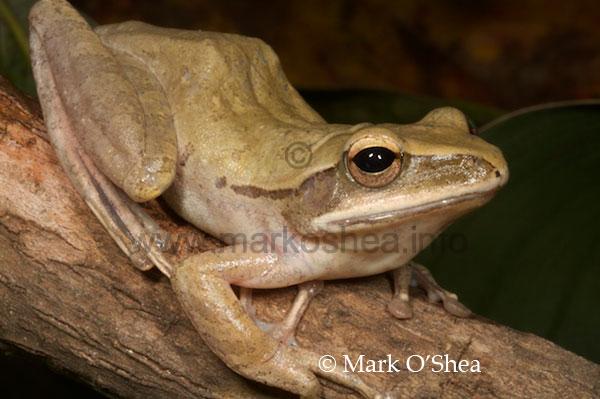
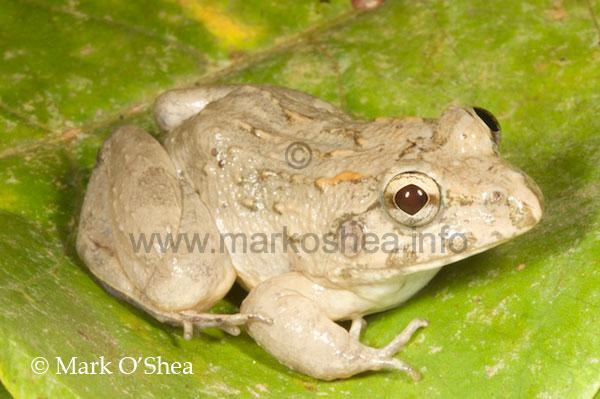
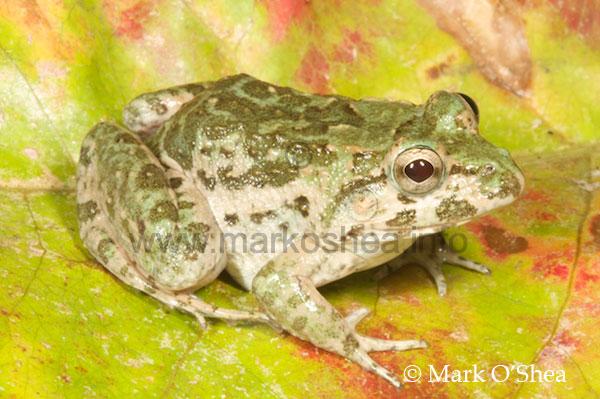
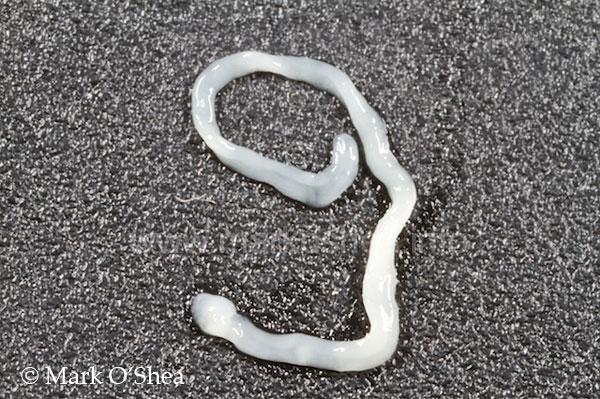
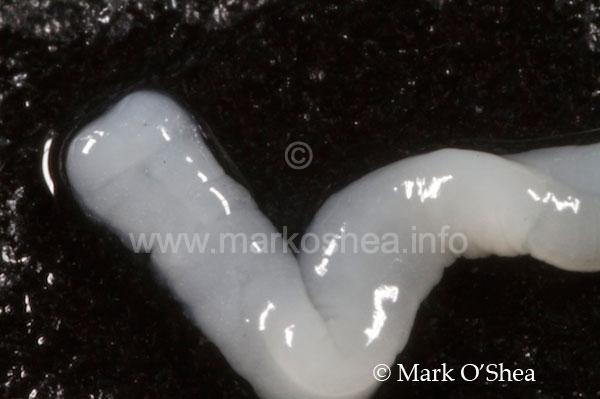
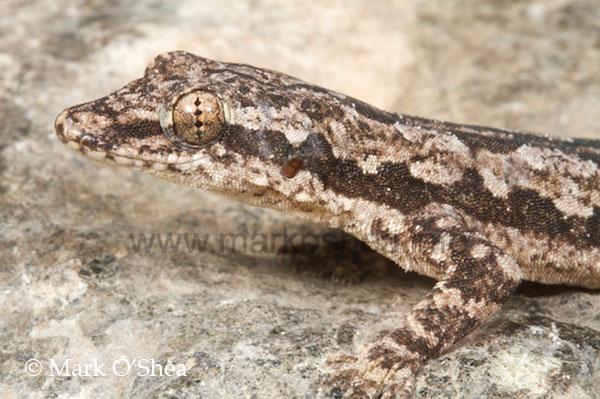
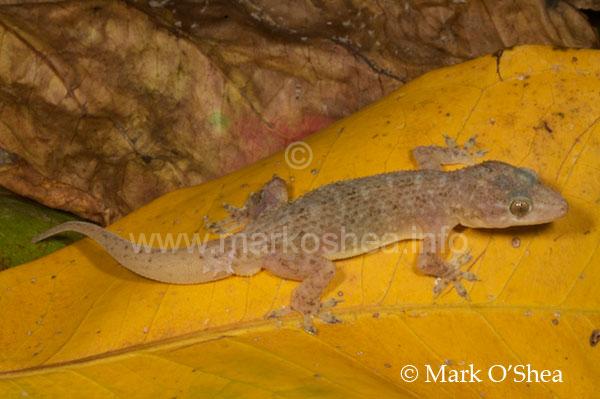
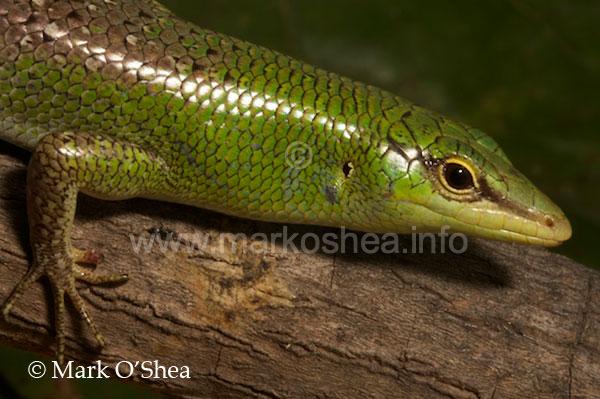
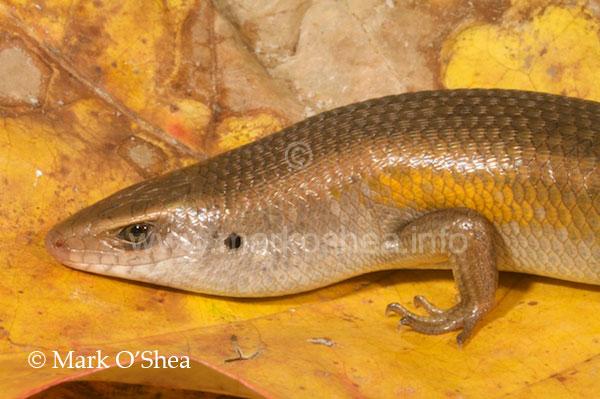
Several locations were searched for herps around Pante Macassar. The introduced Common house gecko (Hemidactylus frenatus) and Roti house gecko (Hemidactylus cf. tenkatei) were found at the Hotel Rao. The Asian black-spined toad (Duttaphryne melanostictus) was found in close proximity to the hotel and generally around Pante Macassar. Two evenings were spent searching rice paddys between the Hotel Rao and the shorefront provided numerous Rice paddy frogs (Fejervarya sp.) while Striped treefrogs (Polypedates cf. leucomystax) were found along the shorefront. The toads were calling so loudly they almost drowned out the other frogs. We also found tapeworm burdens in some of the frogs from the paddies. The Flat-tailed gecko (H.platyurus) and Timor lying lizard (Draco timoriensis) was found in the trees along the esplanade at Santa Rosa, while further geckos, Emerald tree skinks (Lamprolepis cf. smaragdina) and Common many-banded skinks (Eutropis cf. multifasciatus) were collected from around the swamp near the colonial buildings opposite the esplanade.
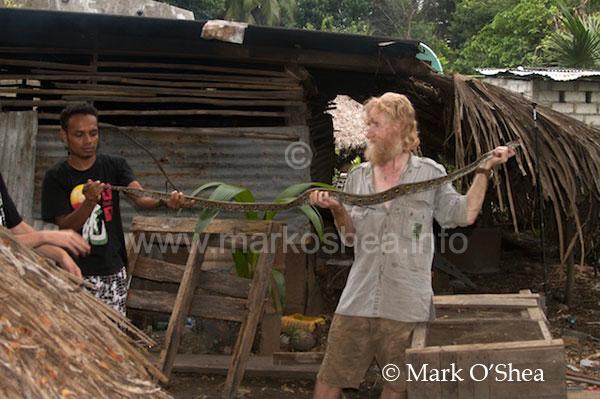
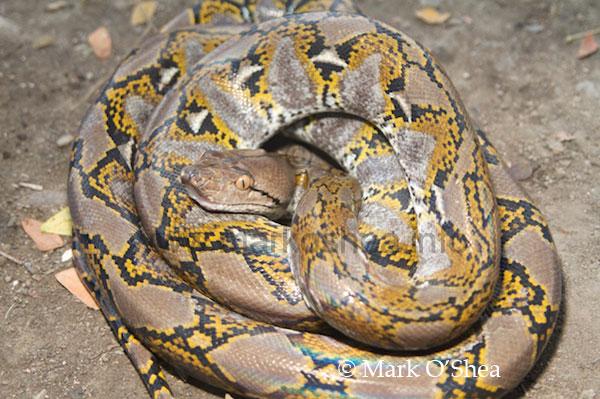
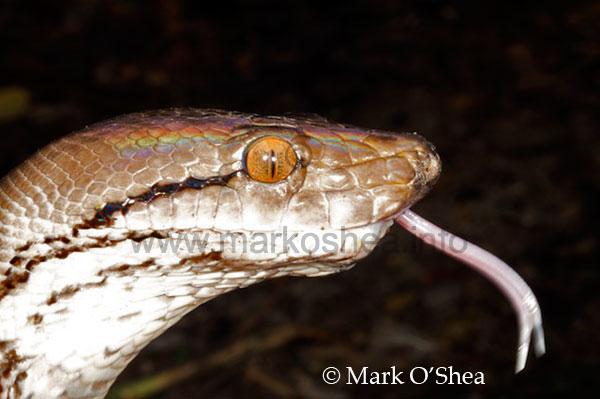
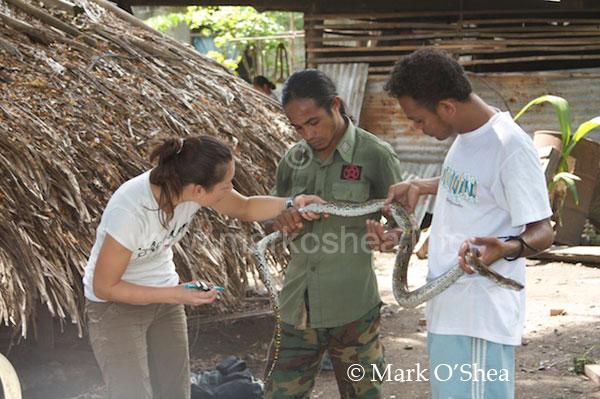
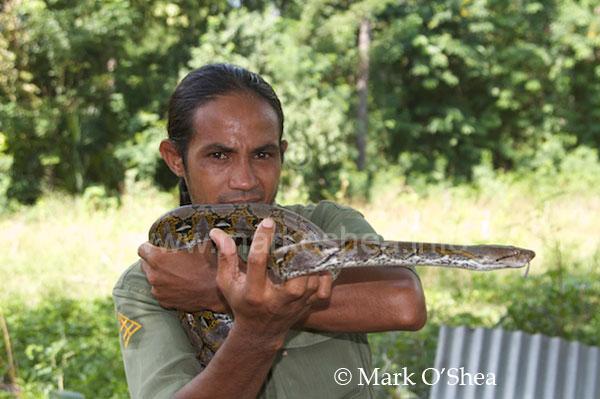
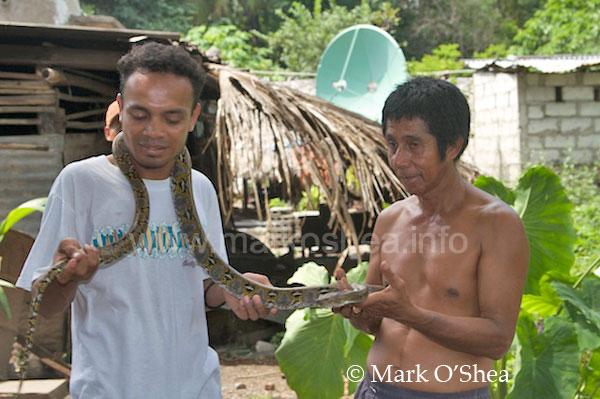
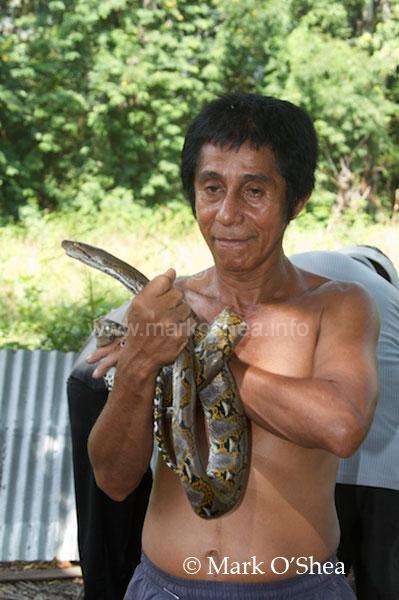
We were told about a python being kept as a pet in Pante Macassar. It had been caught in the 'swamp' near the old colonial offices and apparently the owners were so frightened of it that they did not handle it and simply threw in a chicken, or poured water into its rotten cage, every so often. The python, not surprisingly, was also frightened and defensive, striking all anything that moved. We received permission to remove and examine the python but not to release it into the wild. Once the owner and his family had seen the python handled without incident they agreed to us returning the following day to measure, sex, scale count and take DNA samples from the snake.
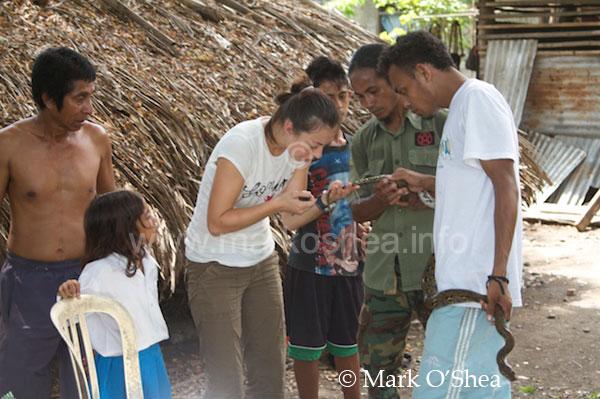
The next day, watching Caitlin, Laca and Luis handle the python with ease drew the family in closer and eventually the owner was encouraged to touch, then handle, then hold the snake he had kept but feared for 3years. Gradually further members of the family, right down to the little girls, touched the python to a greater or lesser degree. While all this was happening the entire rotten bottom section of its cage was being rebuilt and improved.
Eventually the time came for the python to be returned to its cage but with the new found confidence of the owners it seems likely that it will be taken out and actually handled more regularily in the future. Although we could not convince them to let us release the python it is certain that its quality of life will be better from now on. We received intelligence that ' seasnakes' were occasionally seen on the sea wall and defences of the old wharfe to the east of Pante Macassar. One evening we made a search of the location and captured a single Yellow-lipped sea kraits (Laticauda colubrina). Sea kraits are inoffensive snakes, but being front-fanged venomous members of the Elapidae they require respect.
|
|||||||||||||||||||||||||||||||||||||||||||||||||||||||||||||||||||||||||||||||||||||||||||||||||||||||||