|
|
||||||||


|
PAPUA NEW GUINEA 2013
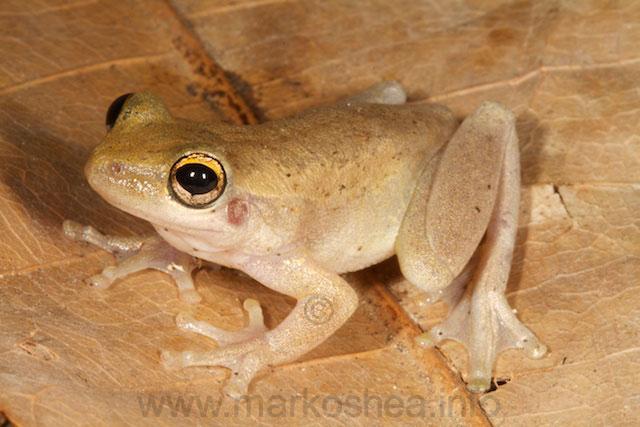
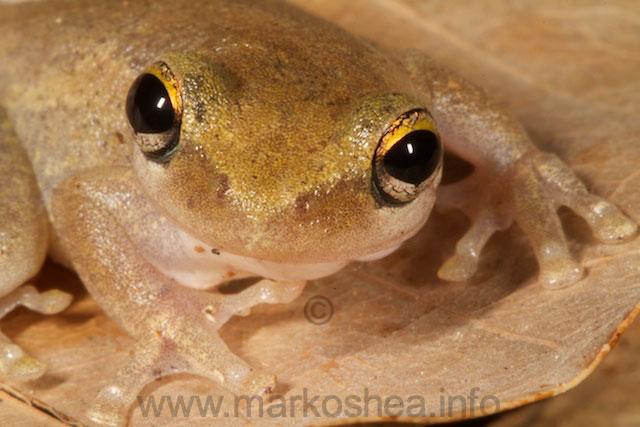
Central Province The commonest amphibian encountered was the ubiquitous introduced Cane toad (Rhinella marina) but two small Southern treefrogs (Litoria congenita) were captured in the creek.
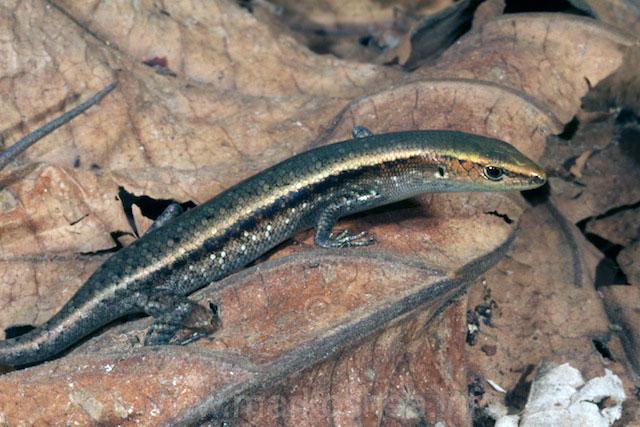
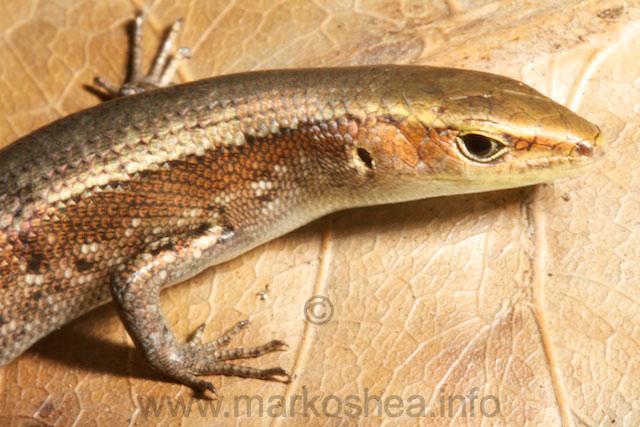
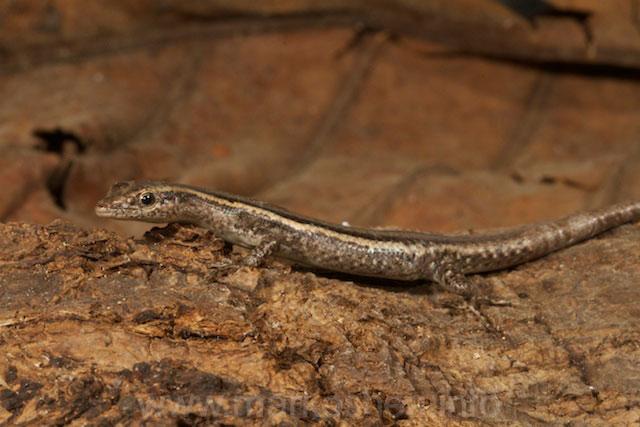
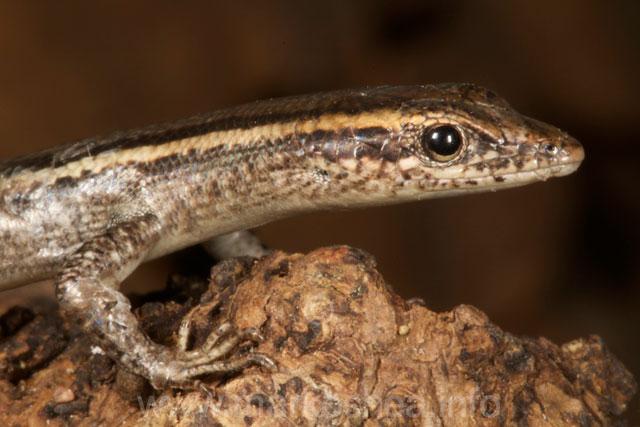
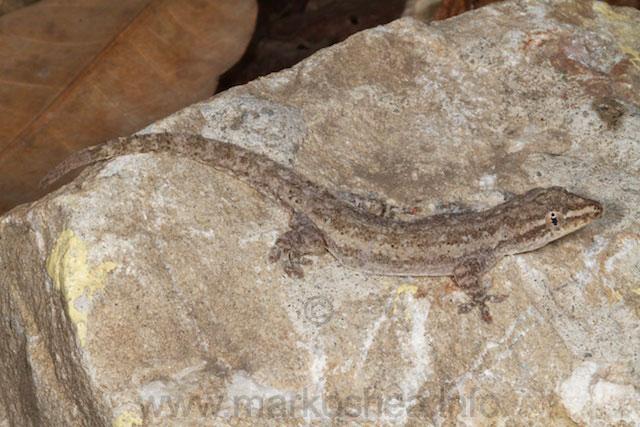
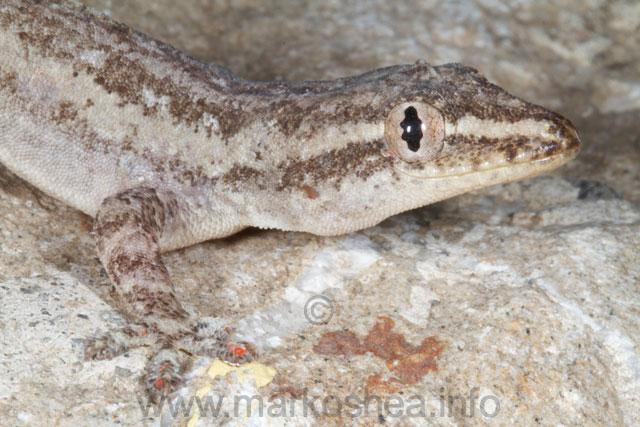
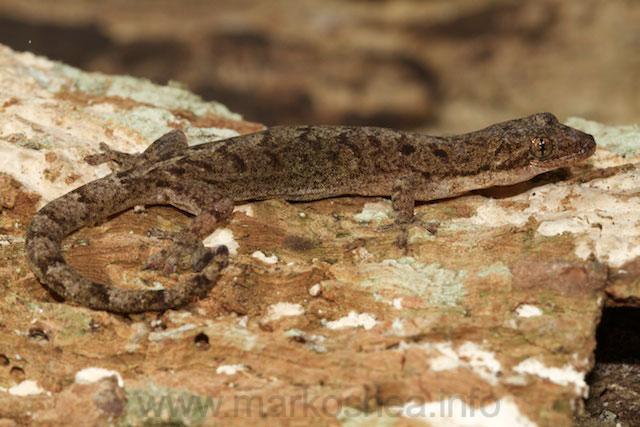
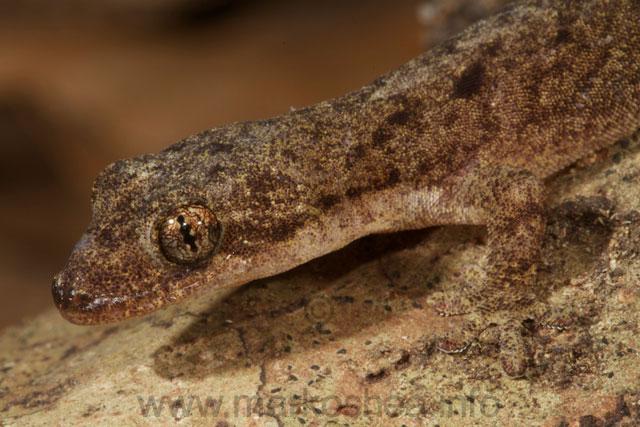
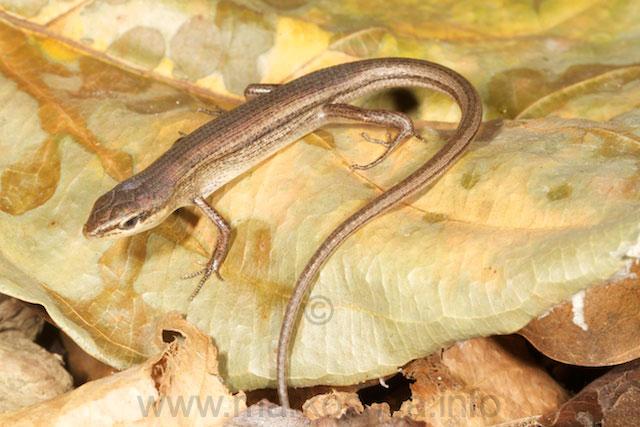
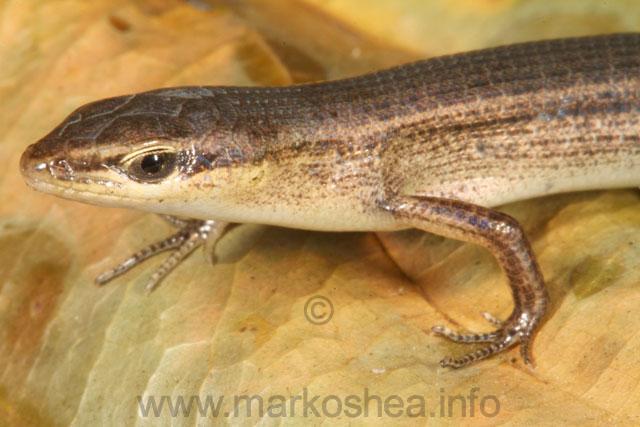
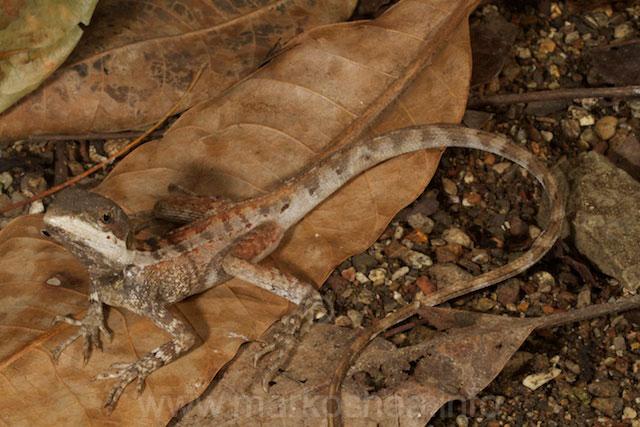
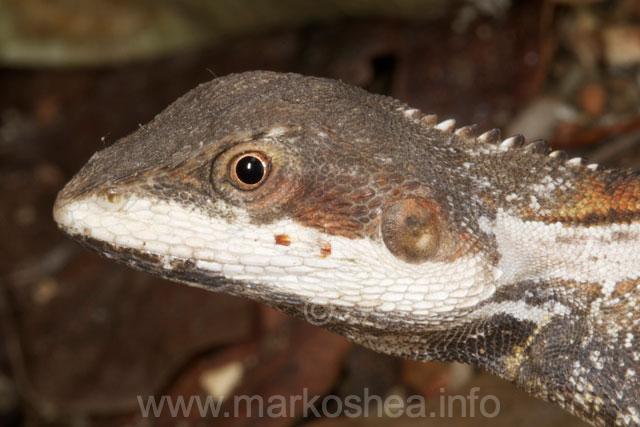
The most abundant reptile was the Dusky skink (Emoia obscura) which scampered through the sun-spots in the dry creek leaf-litter. On the rain-trees were sighted Yule Island snake-eyed skinks (Cryptoblepharus yulensis), Common house geckos (Hemidactylus frenatus), and in the drier leaf-litter outside the creek, Eastern kunai skinks (Carlia bicarinata) and Two-striped dragons (Lophagnathus temporalis). The most exciting lizard captured were several specimens of the endemic Port Moresby scaly-toed gecko (Lepidodactylus orientalis), a really nice find. Owen missed a strange reddish gecko with toes like flower-heads. This was probably a juvenile Oceanic gecko (Gehyra oceanica) a large specimen of which, from the same locality, is already fixed in the laboratory.
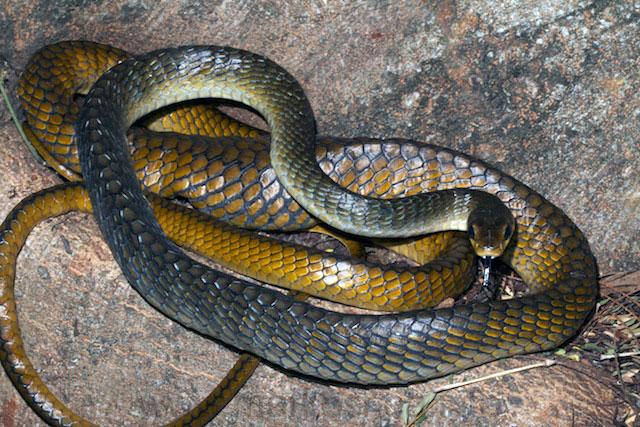
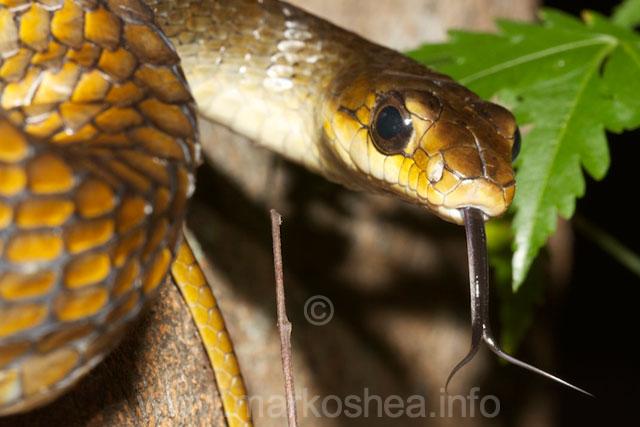
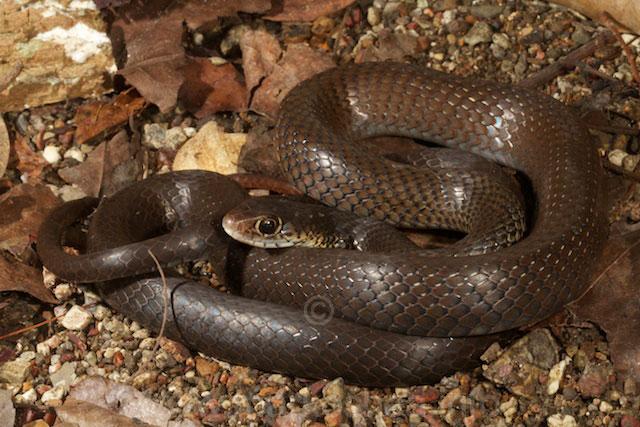
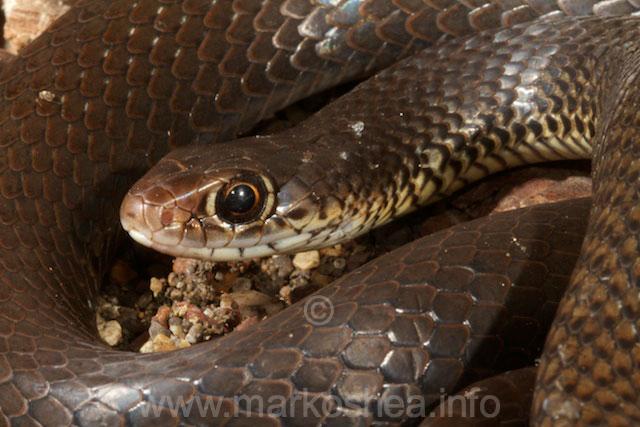
Snakes were far less in evidence although Jasper missed a small Papuan taipan (Oxyuranus scutellatus canni) in the kunai and Owen missed a basking Papuan blacksnake (Pseudechis papuanus) in the leaf-litter of the forest. The only snake captured was a large nonvenomous Common treesnake (Dendrelaphis punculatus) but Exxon-Mobil LNG snake removal specialist Dave Matthews brought me a Lesser black whipsnake (Demansia vestigiata).
|
|||||||||||||||