|
|
||||||||


|
PAPUA NEW GUINEA 2013
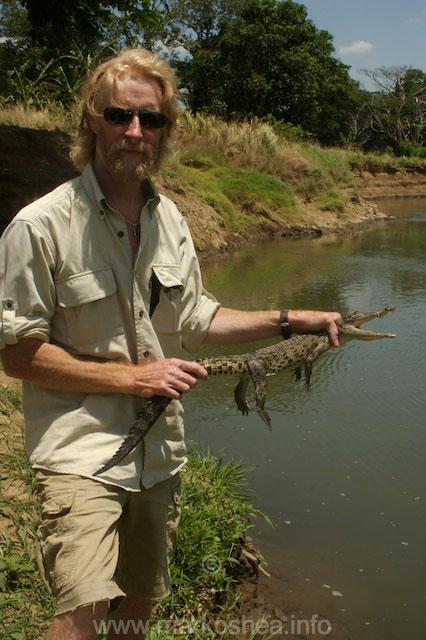
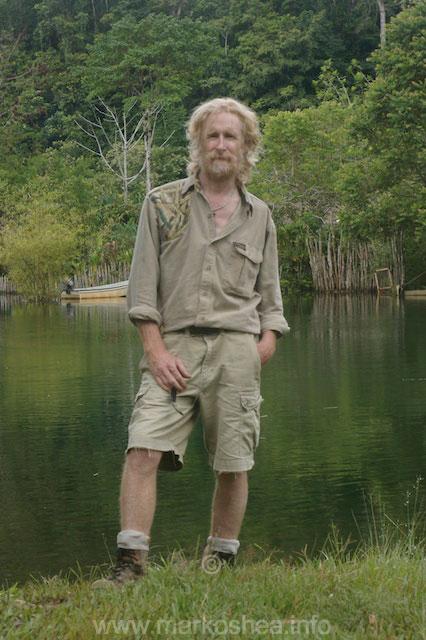
July 7th to September 4th 2013 My Involvement in Papua New Guinea I first visited PNG in 1986 as a member of the scientific directing staff of Operation Raleigh. I returned in 1990, 1992-93, 1993-94, 1996, 2000, 2006, 2008 and 2010. In 2013 I made my 10th visit to PNG, the country which once billed itself as The Land of the Unexpected.
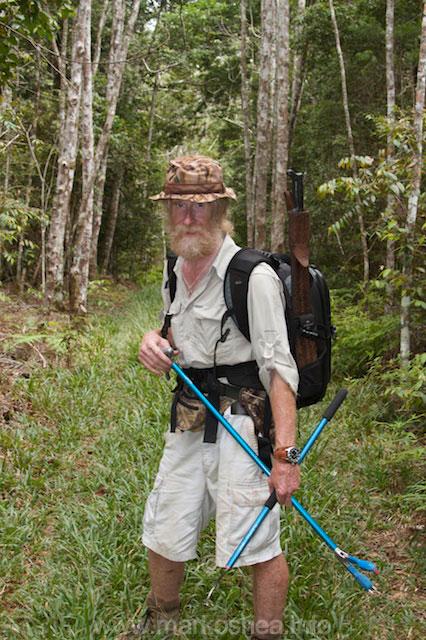
My time in PNG during the 1990s was as the herpetologist attached to a snakebite research project being coordinated by Oxford University and the Liverpool School of Tropical Medicine. Working alongside Oxford doctors, I travelled to areas where snakebites were occuring in numbers to capture and milk the species responsible. In 1996 I also wrote the definitive A Guide to the Snakes of Papua New Guinea. A second edition is currently in preparation.
During 2000 I returned with a YAP Films film crew to make three films for the second season of O'Shea's Big Adventure: Green Blood, Magic Man and Tree Crocodile. These films were transmitted on Animal Planet, Discovery Channel and the UK's Channel 4. * Note Reticulated pythons do not occur in New Guinea - this one was rescued from a Pacific circus In the 21st Century the snakebite project was taken over by the Australian Venom Research Unit, University of Melbourne, when toxinologist David Williams arrived from Australia to conduct snakebite research and I was awarded a research fellowship to continue working with David and his colleagues.
It is fair to say PNG is in my blood. The 2013 expedition was primarily aimed at the capture of medically important snakes for the snakebite research program, but other reptiles and amphibians were also documented and photographed.
|