|
|
||||||||


|
TIMOR-LESTE 2009
Victor Valley College Tropical Research Initiative
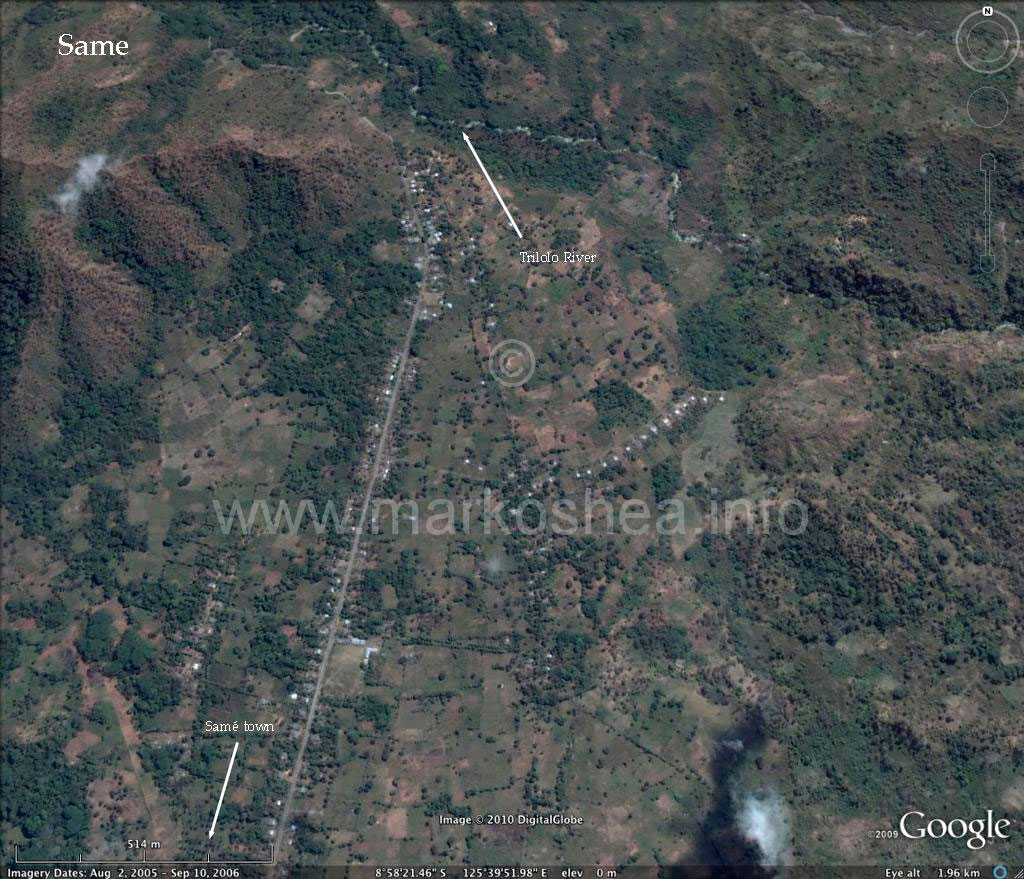
Same, Manufahi District
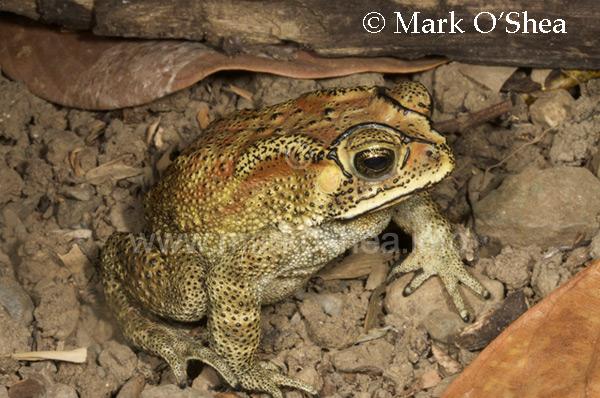
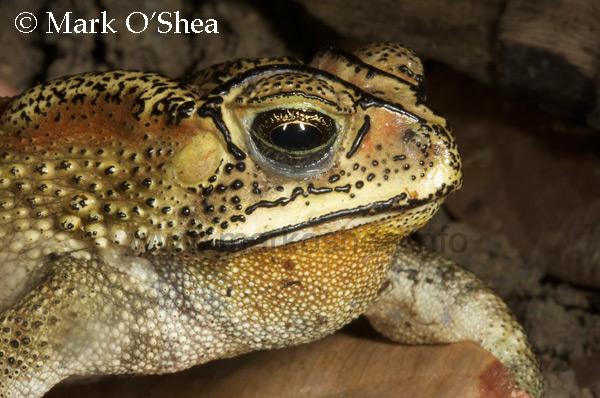
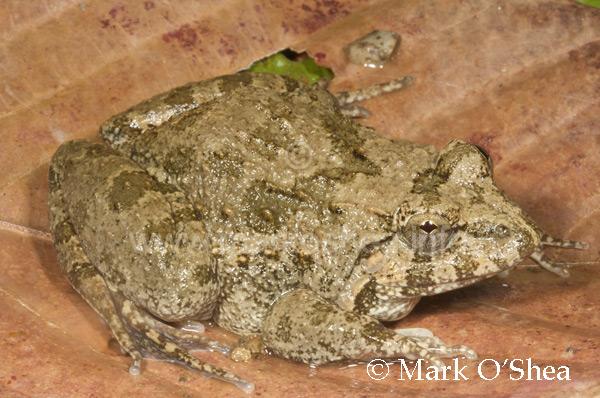
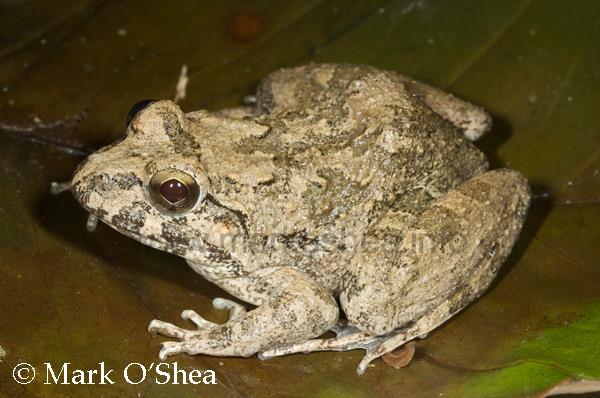
Amphibians collected around Same, Manufahi District, included the Asian black-spined toad (Duttaphrynus melanostictus), a species locally believed introduced, and often called the InterFET* toad, after the peace-keeping forces, and confused with the Cane toad (Rhinella marina) which is not present, although it was more likely introduced by the Indonesian occupiers. Also collected were specimens of Rice paddy frog (Fejervarya sp.), a complex and taxonomically confusing group. * InterFET = International Force for East Timor, a UN peace-keeping force led by Australia deployed in 1999-2000.
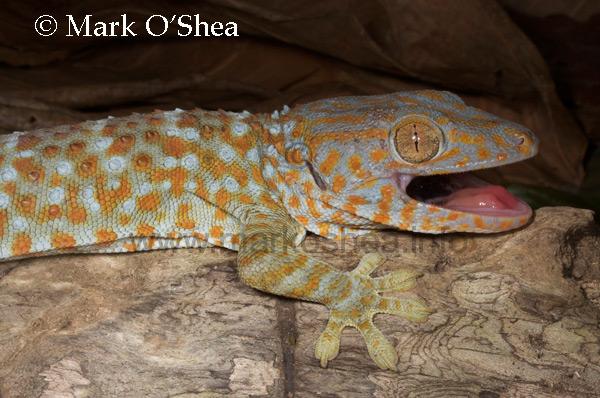
Lizards collected around Same included the large Tokay gecko (Gekko gecko gecko) and an unidentified Night skink (Eremiascincus sp.), a genus represented by up to five species from Timor-Leste. On the Trilolo River two specimens of Bent-toed gecko (Cyrtodactylus sp.) were collected, the first record of the genus from Timor.
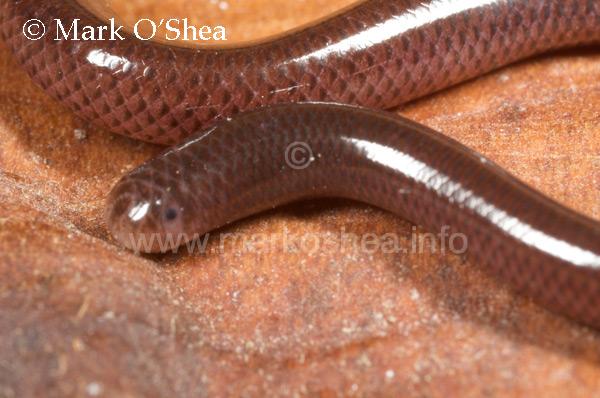
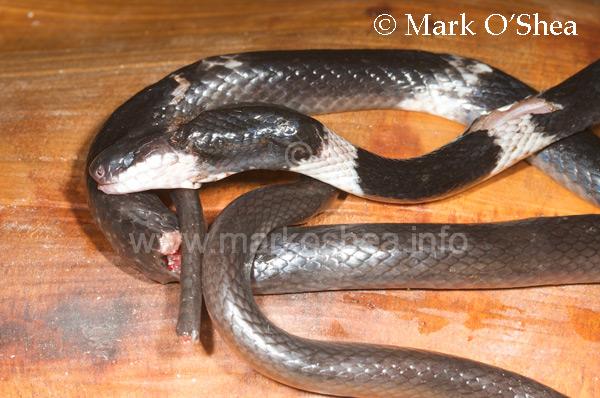
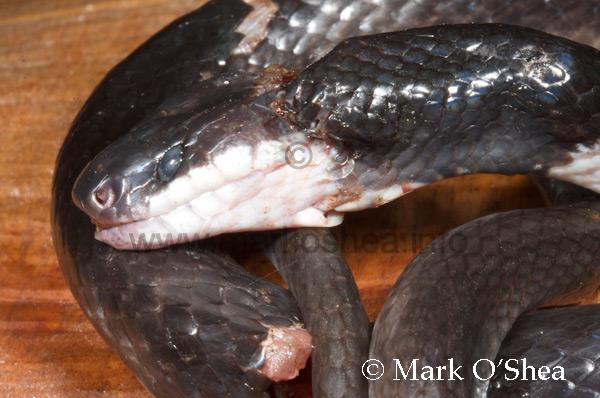
Three species of snakes were collected. Two specimens of the introduced, parthenogenic Brahminy blindsnake (Ramphotyphlops braminus) were collected under rocks alongside roads. A live Common wolfsnake (Lycodon capucinus) was captured near Same and a recently killed Malayan banded wolfsnake (L.subcinctus) were obtained around the school in the area.
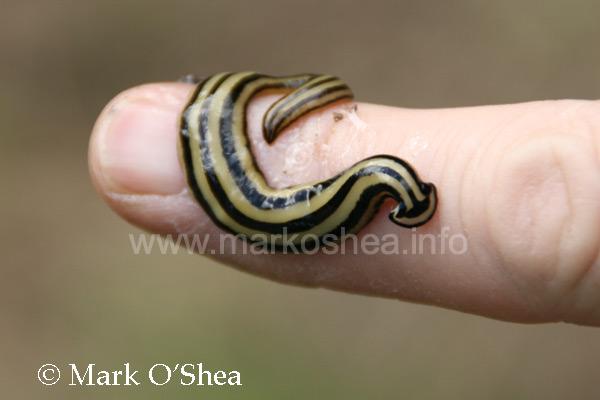
Several buthid Wood scorpions (Lychas mucronatus) were discovered around Same while a terrestrial flatworm (Bipalium sp.) was also found.
|
||||||||||||||||||||||||||||||||||||||||||||||||||||