|
|
||||||||


|
TIMOR-LESTE 2010
Victor Valley College Tropical Research Initiative Oecusse to Dili
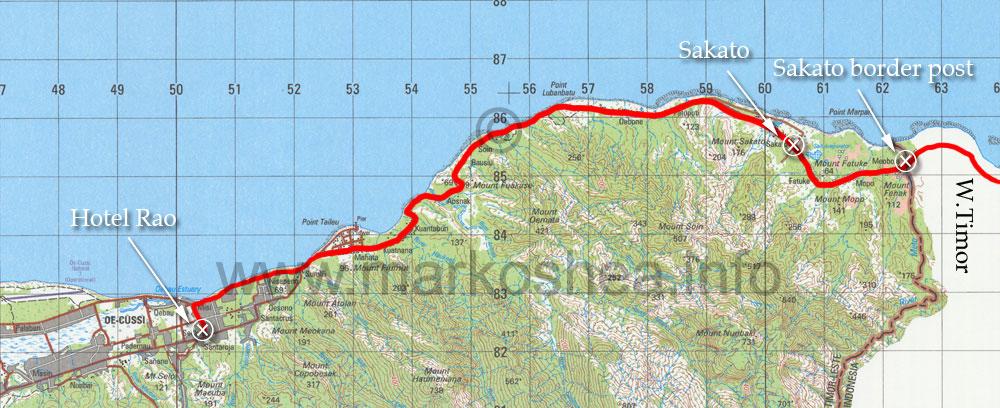
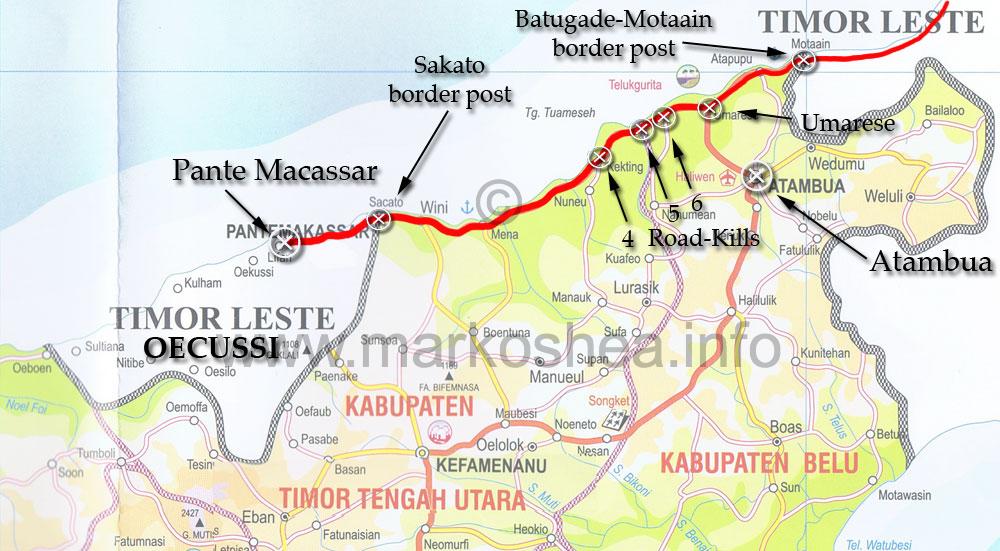
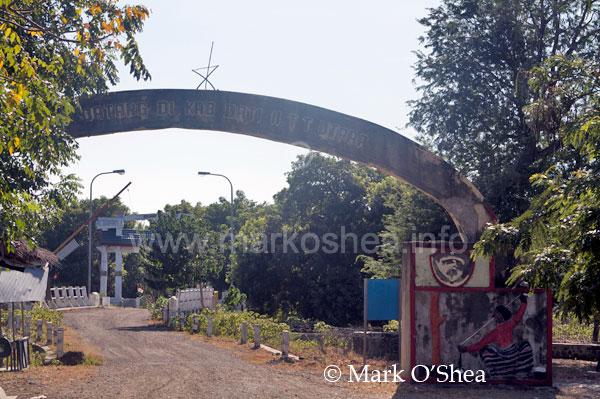
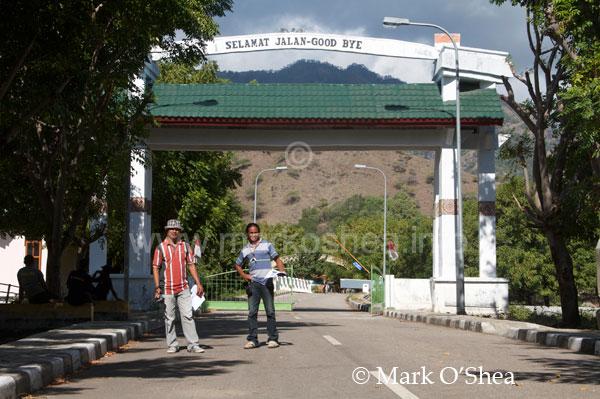
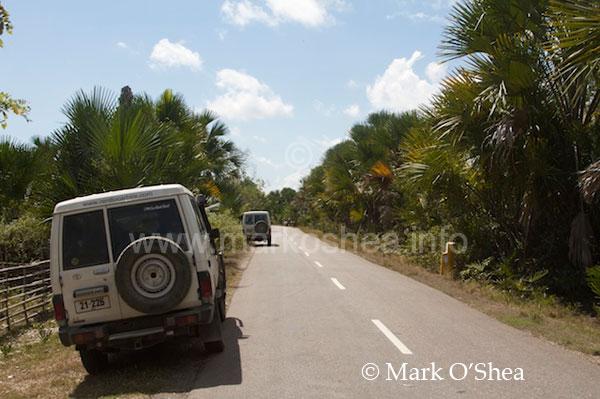
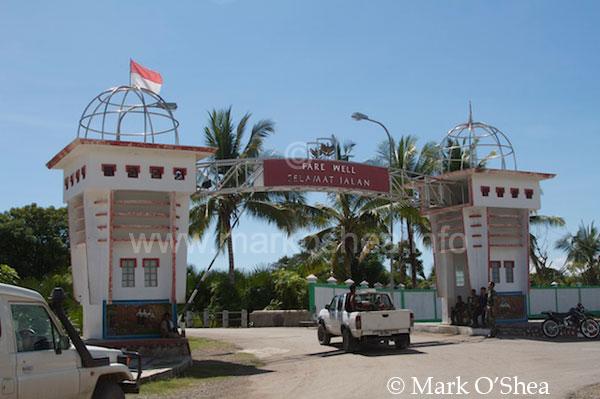
When we drove from Dili to Pante Macassar we were unsure as to whether the rumoured coastal route was passable. In Pante Macassar we learned that not only was it a good road, it would take several hours off our journey. We made the West Timor border at Sakato within 40minutes and crossed into Indonesia shortly after the border opened.
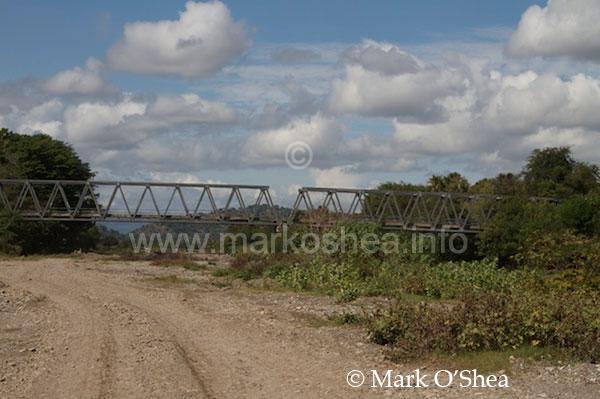
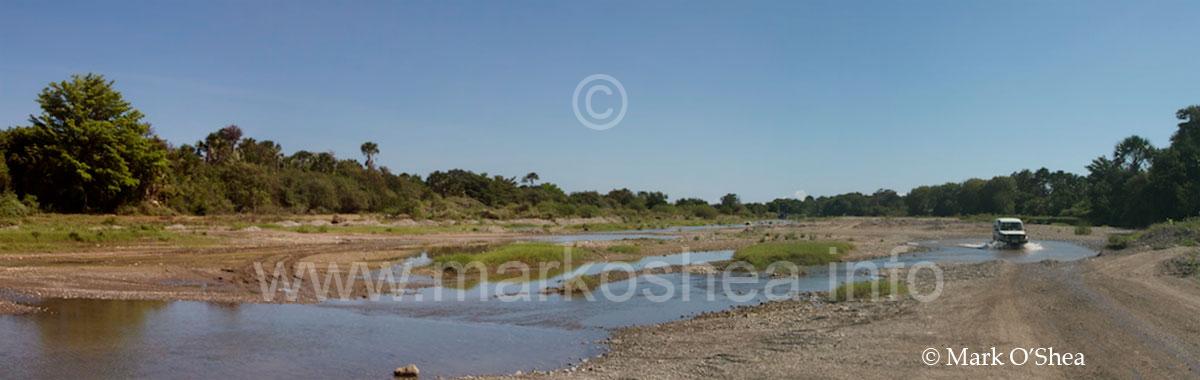
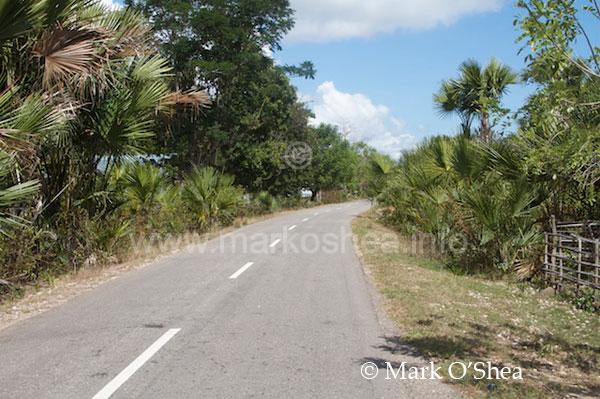
The coastal route through West Timor was shorter and both more interesting and much safer, with far fewer manic motorcycles, than the Kefamenanu-Atambua route. Apart from one bridge with huge holes in the road, which could only be traversed by motorcycles, the journey was without problems, and even this set-back was easily overcome by fording the river via a well used detour.
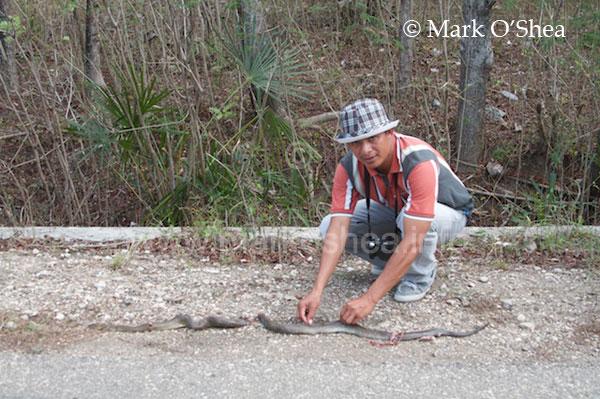
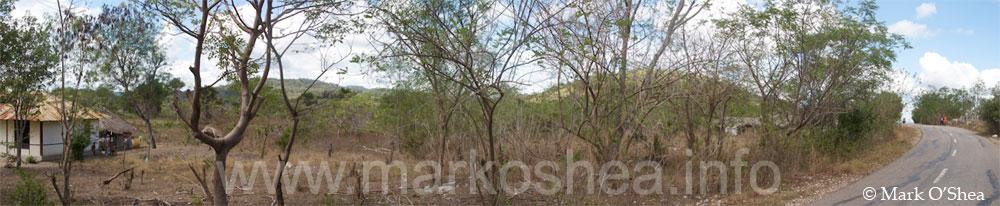
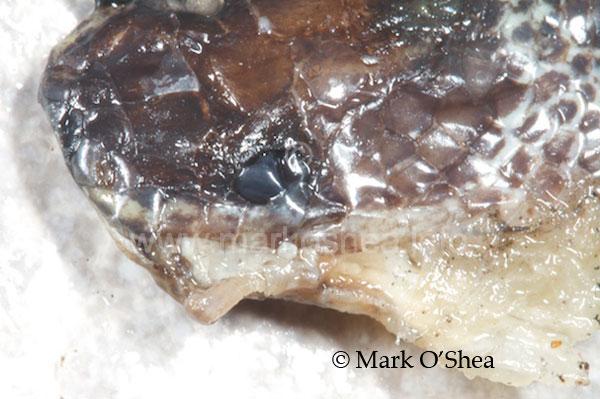
Enroute we stopped to examine three road-kills. West Timor Road-Kill No.4: Sakato to Umarese road. We came across a recently killed 2.0m Macklot's water python (Liasis mackloti) on a stretch of road through a fairly arid area. From examination of the snake it appeared likely that the snake had been killed somewhere else (a wetter location) and thrown onto the road.
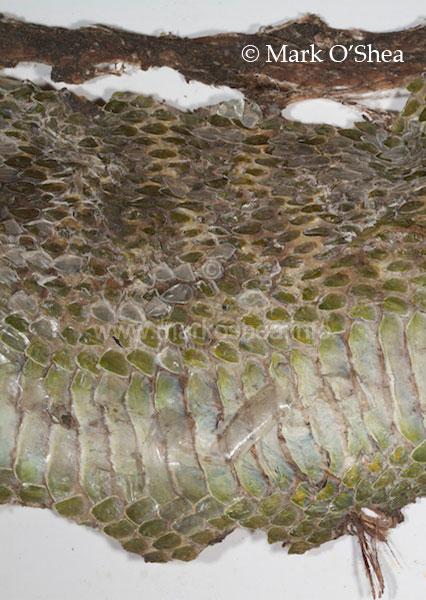
West Timor Road-Kill No.5: Sakato to Umarese road. Further on we encountered a completely flattened, paper-thin, section of green snake. The sample appears to come from a relatively stout snake with a midbody count of at least 25 dorsal scales, the maximum for the only species currently considered as a possible identification, the Island pitviper (Cryptelytrops insularis).
West Timor Road-Kill No.6: Sakato to Umarese road. The final road-kill was also perfectly flat. Found on the road as it passed through a fairly vegetated area, the scale counts and patterning, unicolour with a pale nape band, suggest a Common wolfsnake (Lycodon capucinus). Examining road-kills is not the best part of fieldwork, after a few hours in the sun they soon become very ripe.
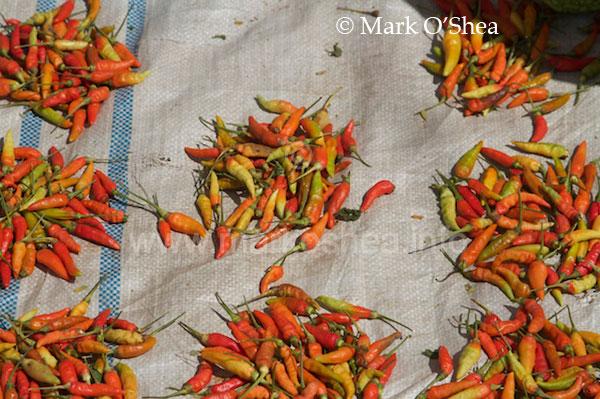
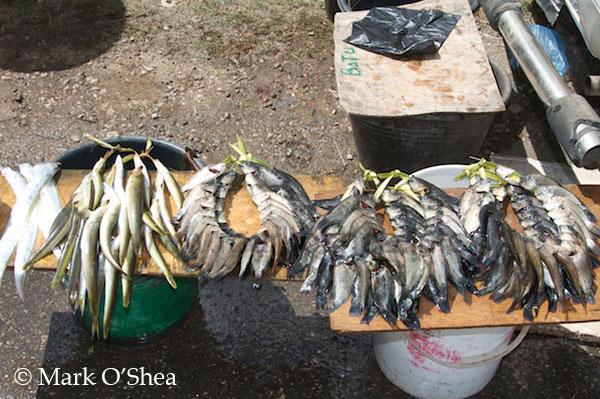
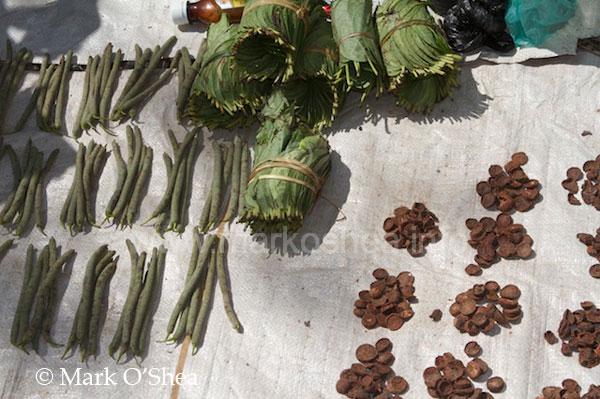
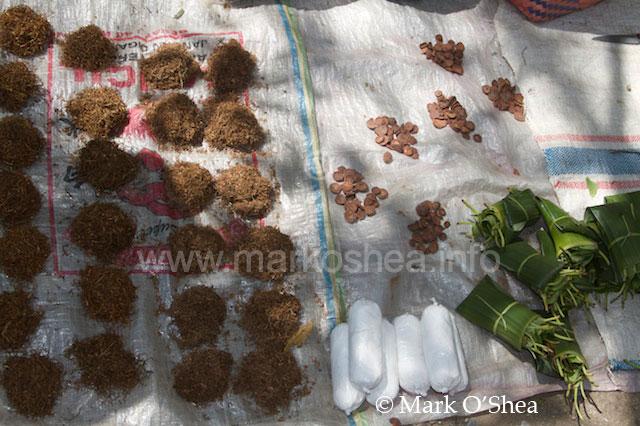
We took a break at the bustling Umarese market.
At Motaain we crossed the border back into Timor-Leste with ease, and drove back to Dili, stopping only for drinks and a photo opportunity at the silent Lagoa Sia Maubara, a lake some say is haunted and others say is home to a crocodile. The petrified forest around its shores do nothing to allay the impression of the dark lake outside the West Gate or Moria in Tolkien's Lord of the Rings: The Fellowship of the Ring, that is itself home to a hidden menace, the Watcher in the Water.
|
|||||||||||||||||||||||||||||||||||||||||||||