|
|
||||||||


|
TIMOR-LESTE 2011
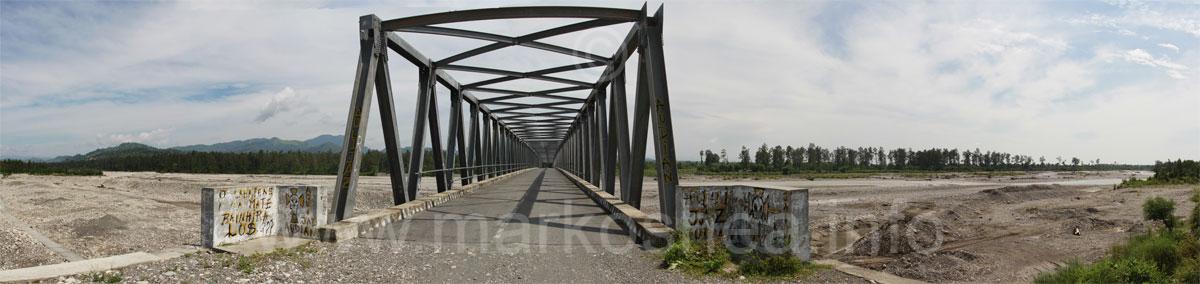
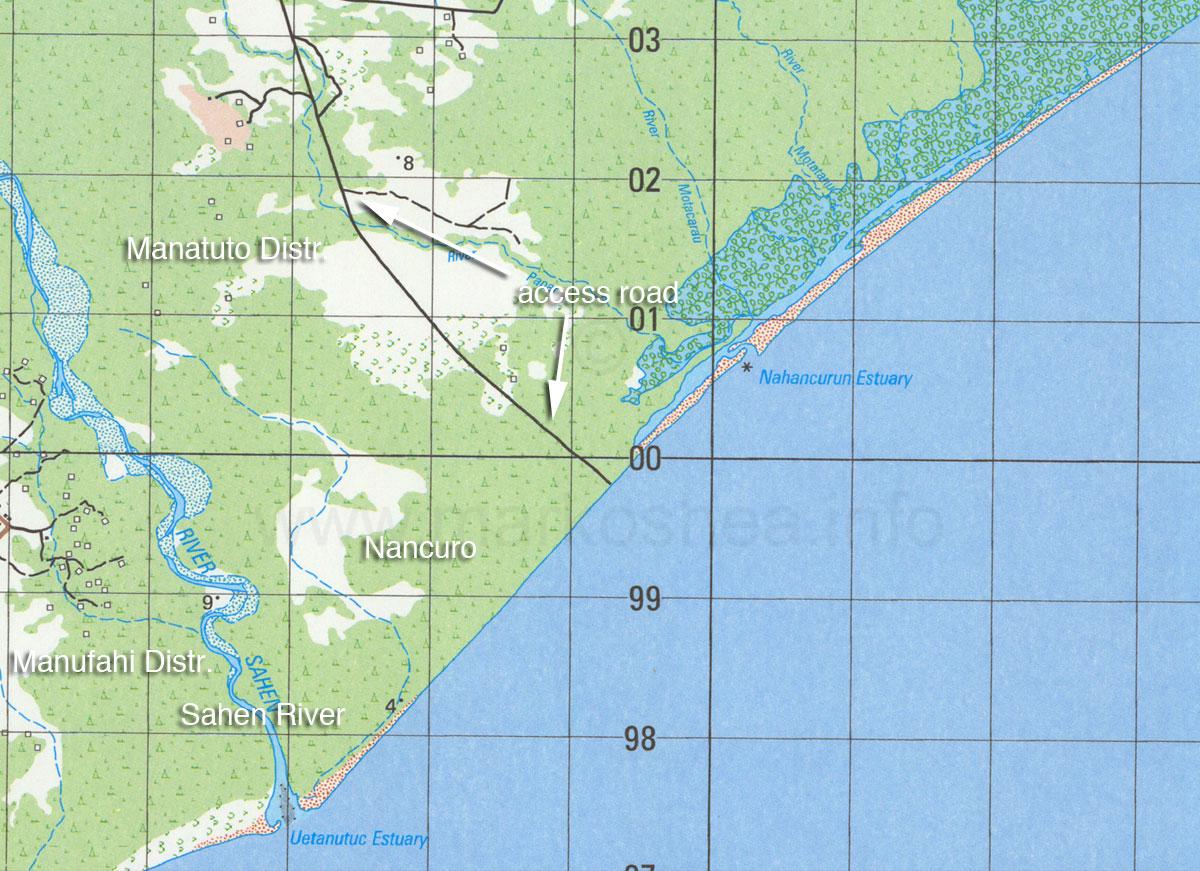
Victor Valley College Tropical Research Initiative Nancuro, Manatuto District To reach Nancuro it was necessary to cross the Sahen River back into Manatuto District and then turn south at the crossroads where north went back to Manatuto and east went to Viqueque.
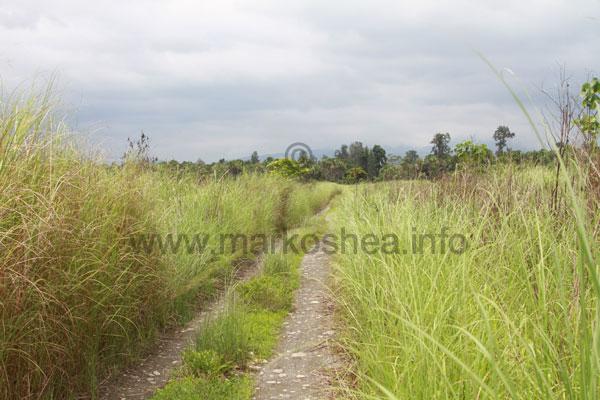
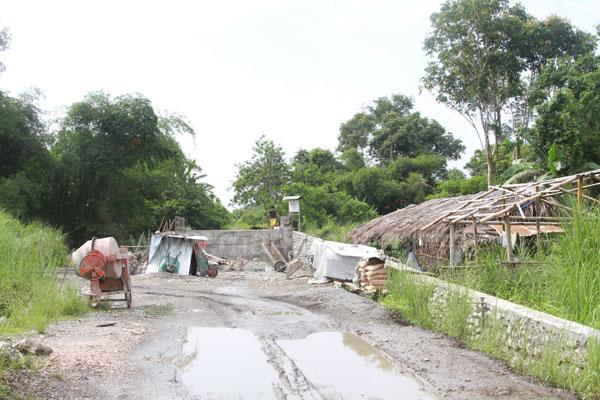
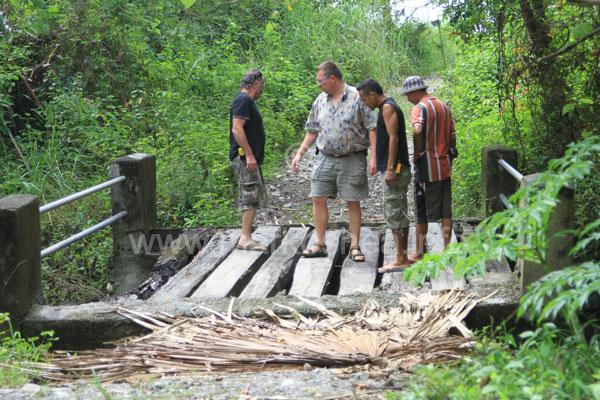
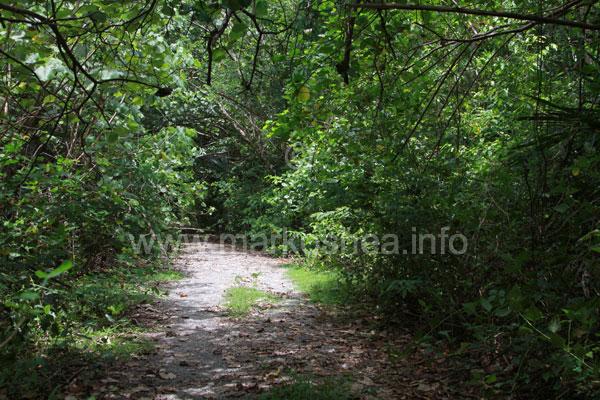
At the time we visited the road to the edge of the reserve was fairly good, but beyond that point bridge-building and treefalls have made the road impassible to all but 4x4 vehicles. If the area is to attract tourists its access facilities will also need improvement. The exceptionally muddy route into the reserve was filmed as we drove it and the video will soon be posted on this website.
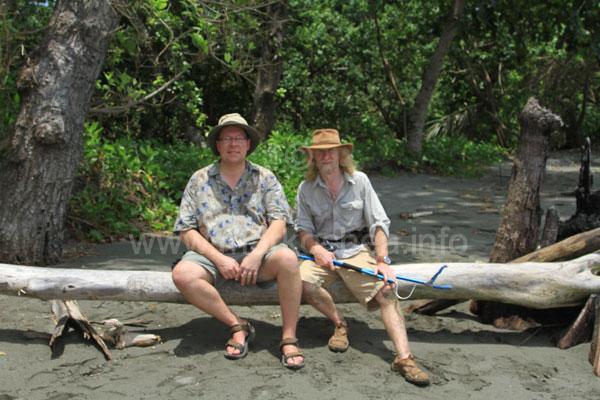
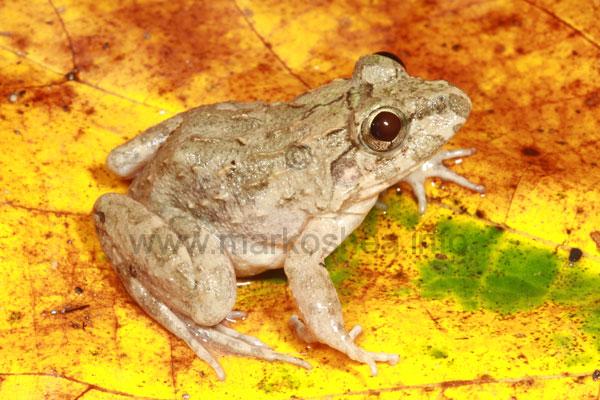
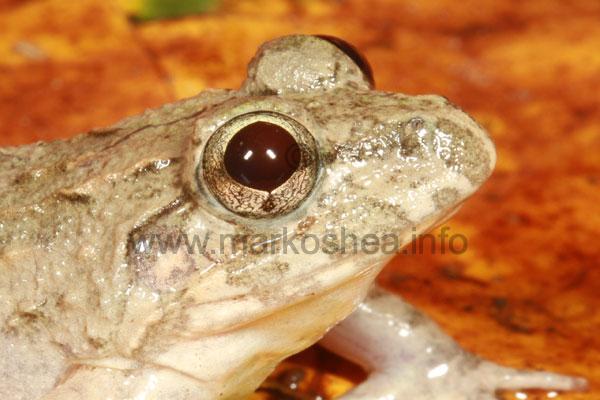
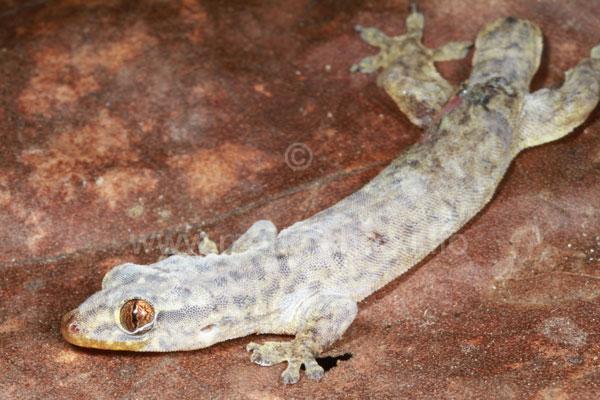
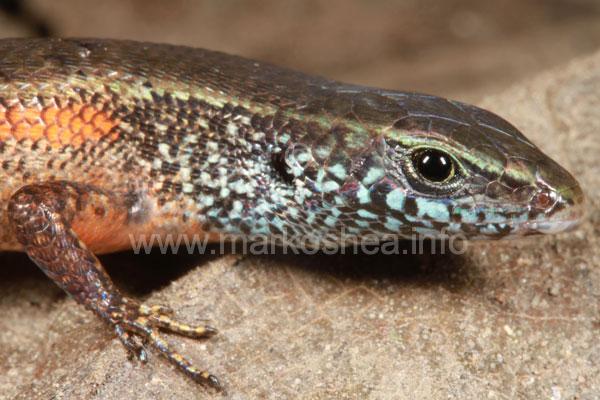
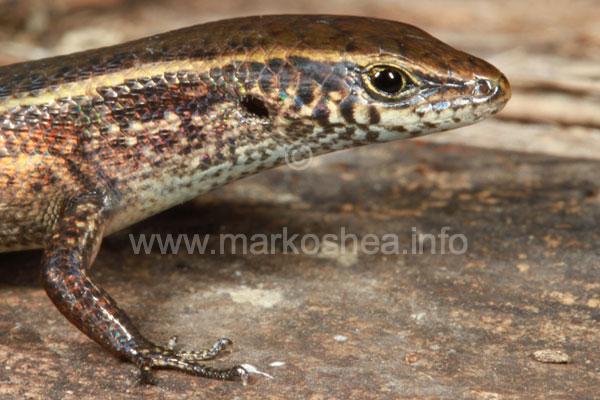
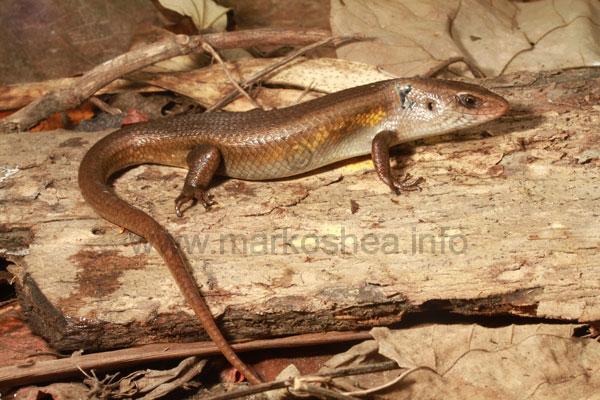
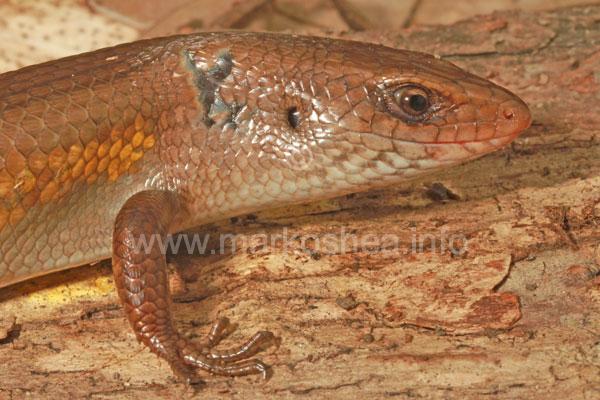
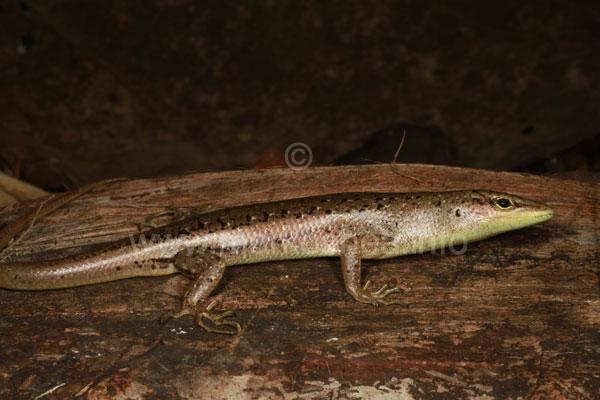
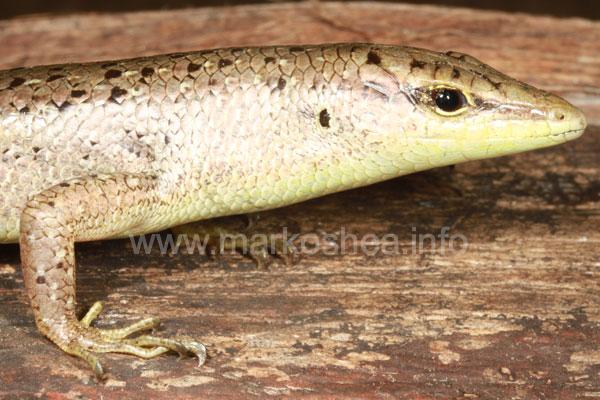
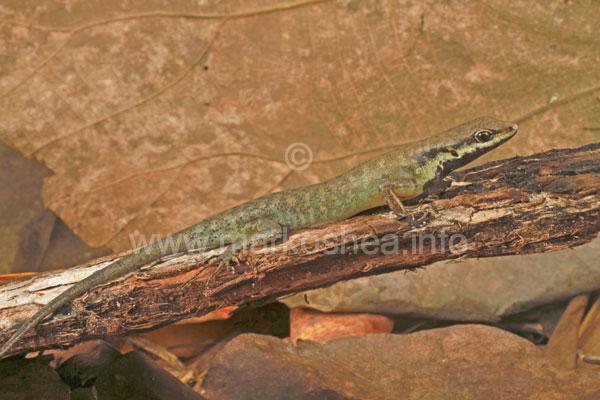
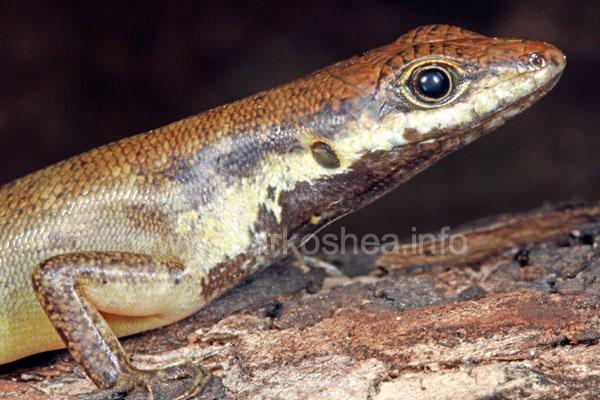
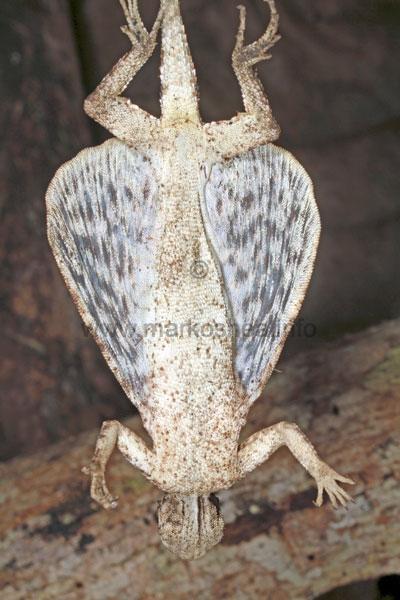
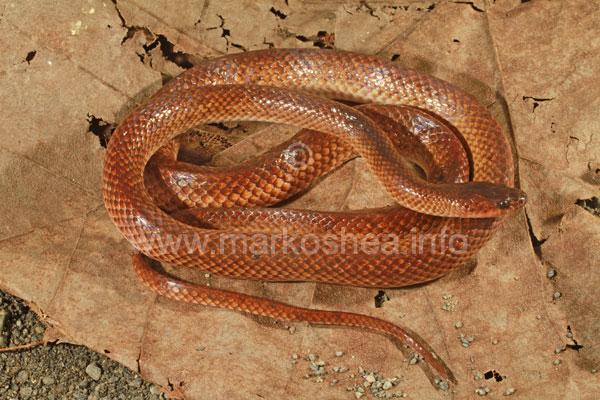
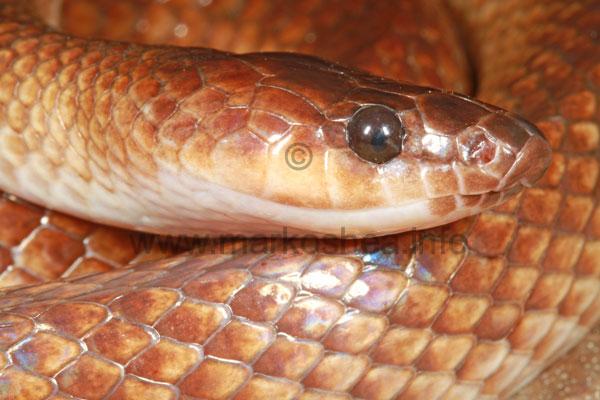
We made several visits to Nancuro and were very successful in our fieldwork. Although we did not capture every species we saw we still found more species here than at any other location during Phase IV. This was a good sign for the proposed reserve. We found the usual suspects: Striped treefrog (Polypedates cf. leucomystax), Rice-paddy frog (Fejervarya sp.) and Tokay gecko (Gekko gecko) but we also collected the Mutilated gecko (Gehyra mutilata), a Four-fingered skink (Carlia sp.), Leschenault's snake-eyed skink (Cryptoblepharus leschenault), both green and brown phases of Emerald tree skink (Lamprolepis cf. smaragdina), a Sun skink (Eutropis cf. multifasciata) and a Forest skink (Sphenomorphus sp.). Also captured were several Timor flying lizards (Draco timoriensis). Two snakes were sighted at Nancuro. A Timor bronzeback (Dendrelaphis inornatus timorensis) was surprised while it was coiled on the forest floor just in from the beach. The entire group spread out to corral this snake but somehow it evaded capture. This was not of huge importance since we know the species well from Loré and other southern coastal locations, and we did manage to capture a much more important snake at Nancuro. Caitlin saw it and called and everyone came running. Laca and Mark pursued the snake towards a fallen trunk where Mark grabbed it by hand, recognising it as a harmless ground snake of the genus Stegonotus. A key importance of this find was that this genus is not recorded for Timor. The genus Stegonotus contains six species from New Guinea and northern Australia, one from Borneo, one from Makulu (the Moluccas of eastern Indonesia) and one from Flores in the Lesser Sundas to the north of Timor. This last species is known from only three specimens but our Timorese snake did not belong to that species, based on scale counts. At this time we believe that the Stegonotus from Nancuro constitutes not only a new generic record for the island/country, but also a new species to science. We also found two large centipedes of the family Scolopendridae, not something you want to put your hand on by mistake.
Not illustrated above - click on links to view specimens from Loré, Lautem District In the coastal woodland Caitlin found the remains of a Green sea turtle (Chelonia mydas) bony carapace which we were able to reconstruct using beach sand for support. Although the shell bore several marks from harpoon wounds that had started to heal, we believe this turtle was the victim of deliberate human predation because no plastron, head, limbs or other parts were found despite an intensive search by several members of the team, yet the entire carapace, sans actual turtle-shell veneer, was present. The bones were retained as a voucher specimen.
It certainly looks like we will be returning to Nancuro during future phases of the project, it has a rich herpetofaunal diversity with some real surprises thrown in for good measure.
|
||||||||||||||||||||||||||||||||||||||||||||||||||||||||||||||||||||||