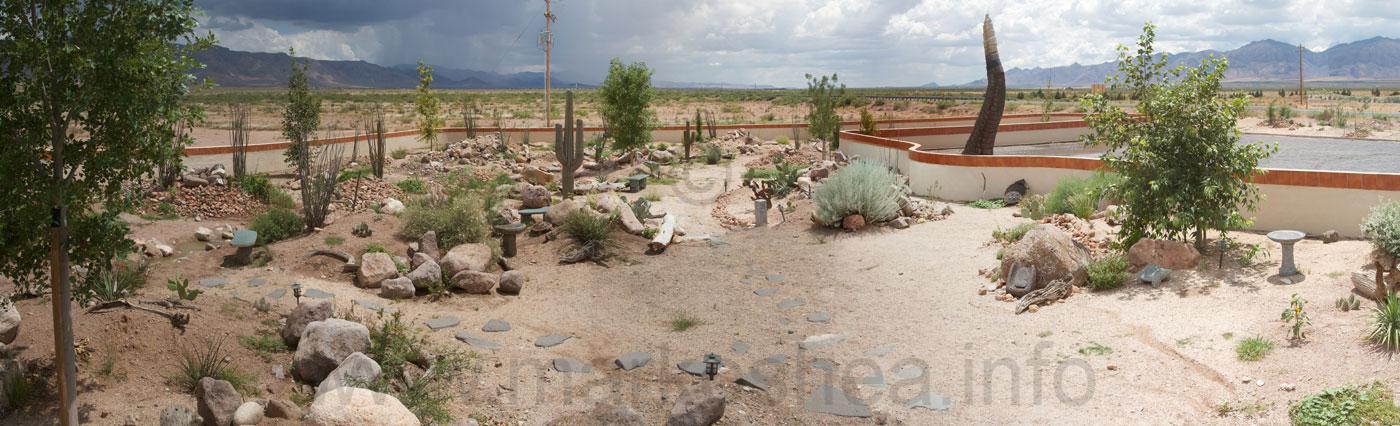
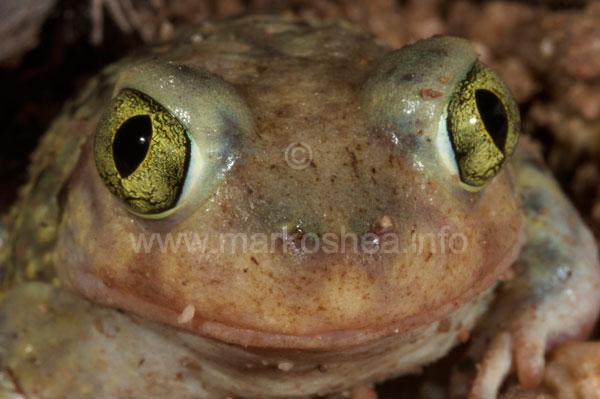
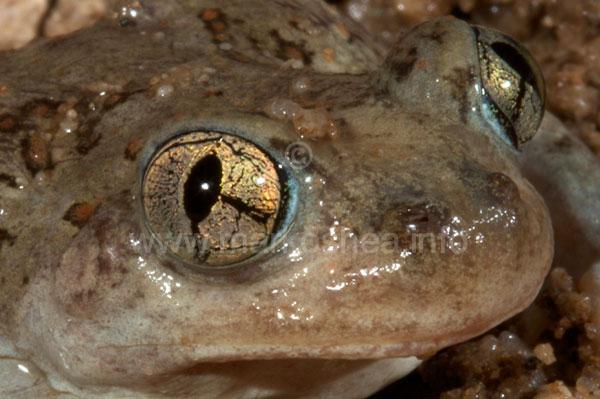
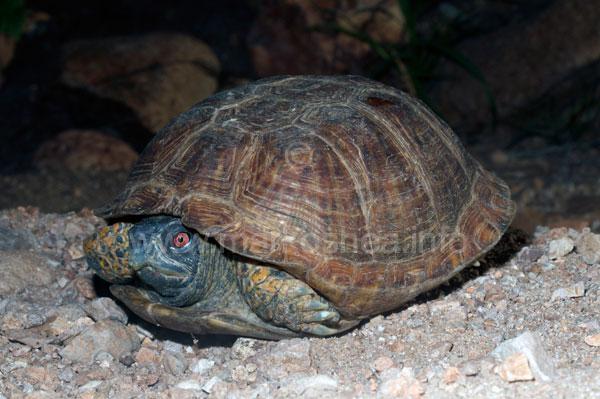
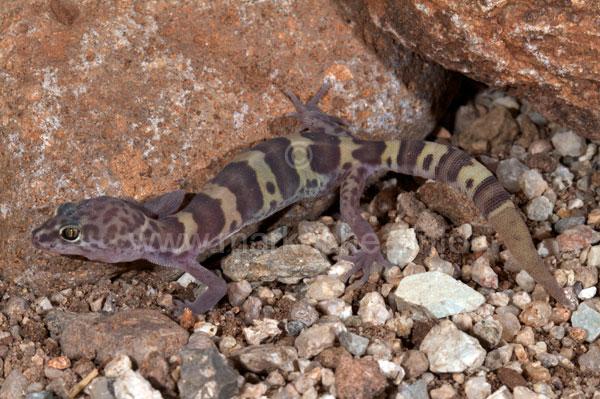
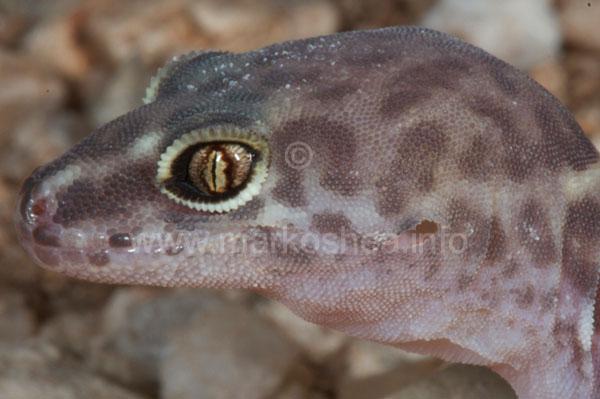
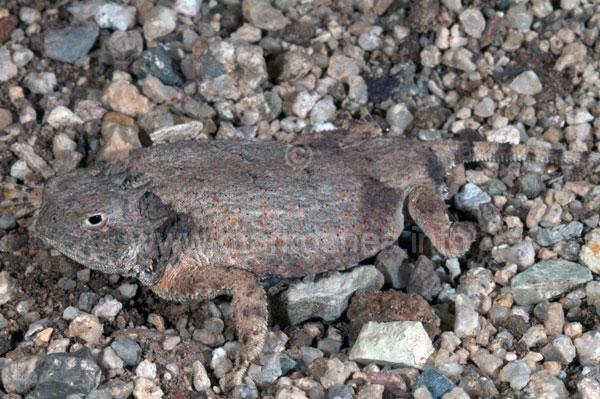
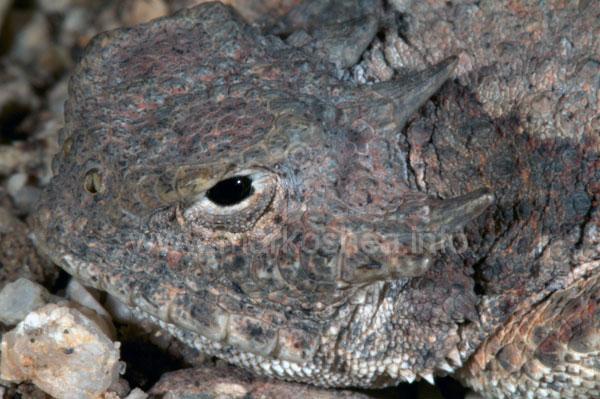
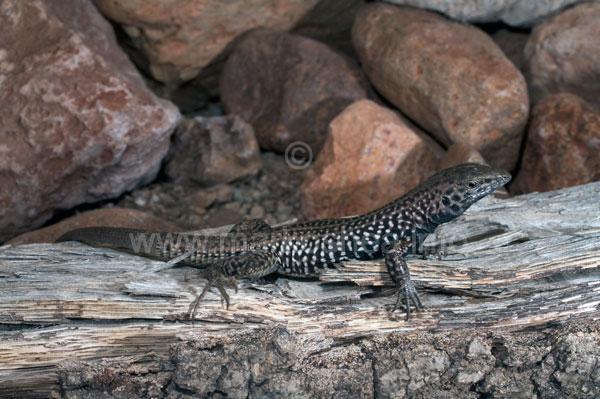
Exiting from the shop, you enter the Chiricahua Desert Museum's 20,000 square foot desert wildlife garden. This extensive walled area contains numerous local cacti and succulents, shrubs and bushes, a meandering stream and piles of rocks and scree that are home to a wide variety of reptiles, amphibians and invertebrates. On the herpetological front there are toads, box turtles, eyelid geckos, horned toads (which are of course lizards), whiptail lizards, chuckwallas, gartersnakes, kingsnakes, gophersnake, hognose snakes and many more besides. New species are being added all the time as Bob and his friends find local species on the roads. A walk though in the early morning, before the sun gets too fierce, or in the late afternoon, are the best times.
A panoramic view of the Desert Wildlife Garden at the Chiricahua Desert Museum.
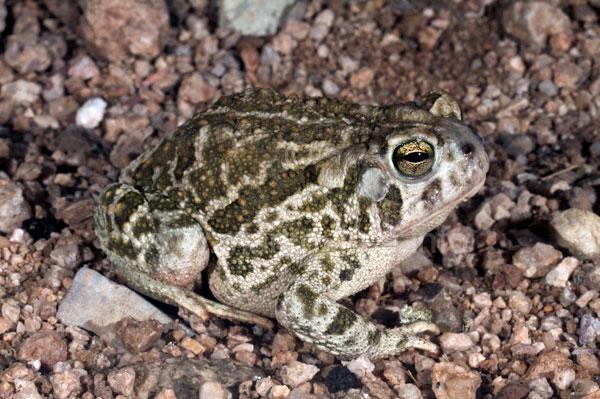
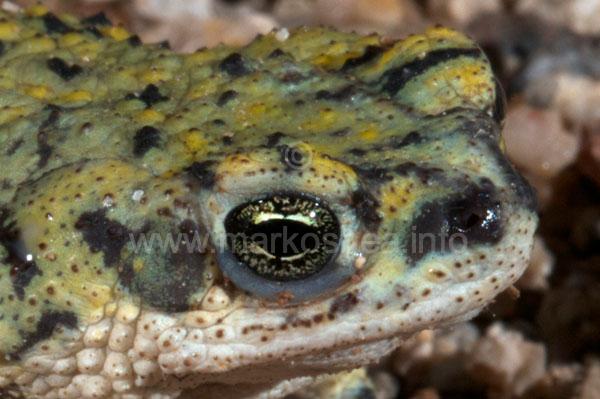
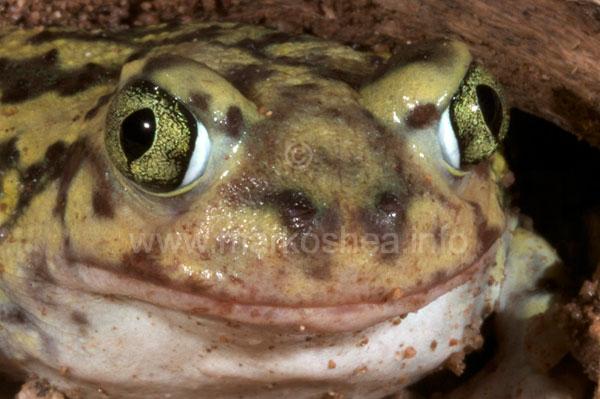
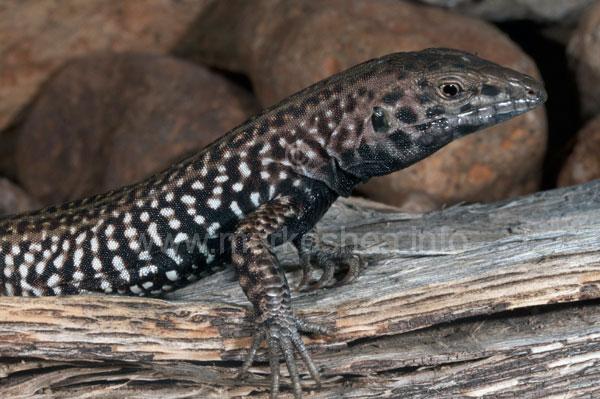
The wildlife garden proved an excellent place for me to photograph some of the amphibians and lizards captured on the neighbouring roads by the herpers who went cruising before or after the BOR barbeque.
AMPHIBIANS & REPTILES OF THE
SOUTHWESTERN DESERTS click on images to enlarge
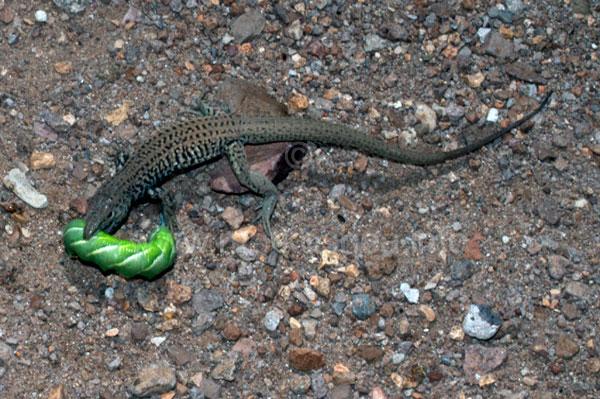
Tiger whiptail lizard, Aspidoscelis tigris killing a caterpiller in the wildlife garden
The wildlife garden also provided me with the backdrop to photograph some of the less popular invertebrate denizens of the desert captued either by ourselves or Eric Thiss and his son Evan enroute from Tucson. These critters were not liberated in the Desert Wildlife Garden!
ARACHNIDS & UROPYGLIDS OF THE
SOUTHWESTERN DESERTS click on images to enlarge
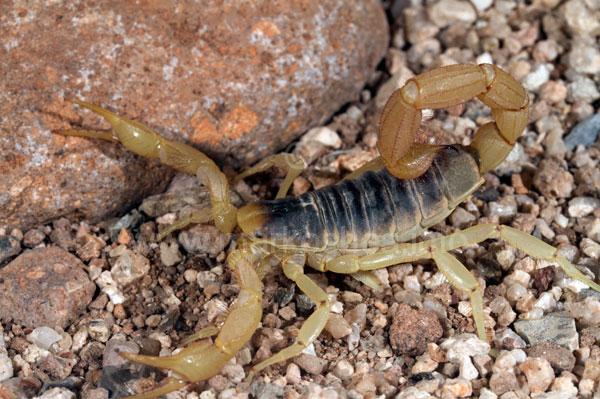
Desert hairy scorpion Hadrurus arizonensis arizonensis from near Tucson
Bark scorpionCentruroides exilicauda from near Tucson, one of the most dangerous scorpions in the world
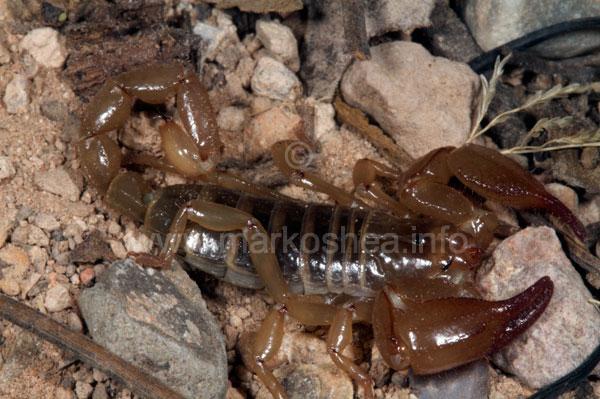
Bark scorpionCentruroides sp. endemic to the Peloncillo Mountains,
awaiting exact identification
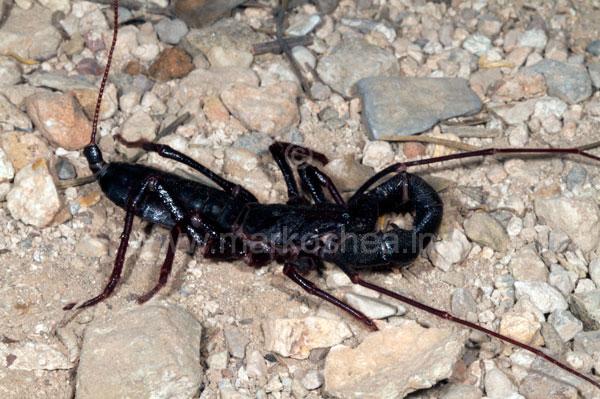
Vinegaroon whip scorpion Mastigoproctus giganteus giganteus from Rodeo, completely harmless
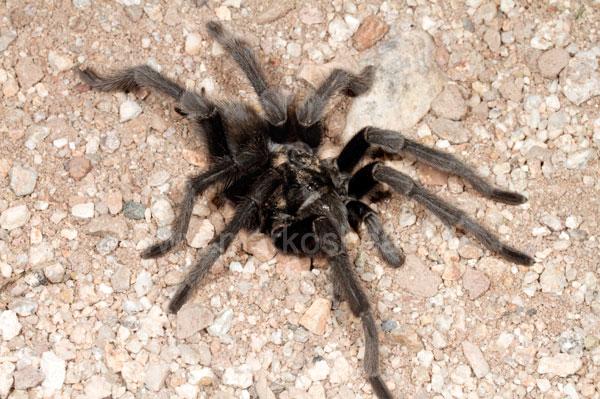
Tarantula spider Aphonopelmasp. awaiting exact identification, common on the roads but not dangerous
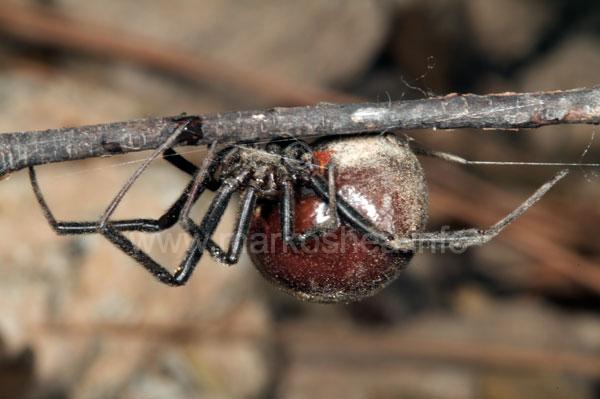
Western black widow spiderLactrodectus hesperus a large female from the desert museum storeroom