|
|
||||||||


|
PAPUA NEW GUINEA 2006
Karkar Island
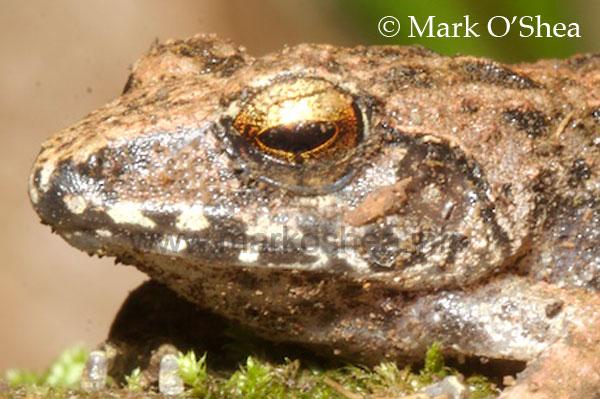
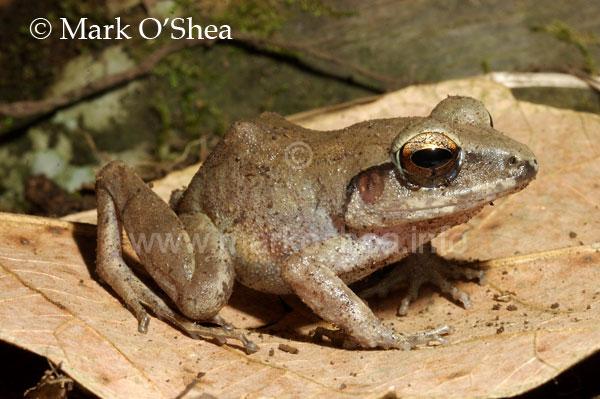
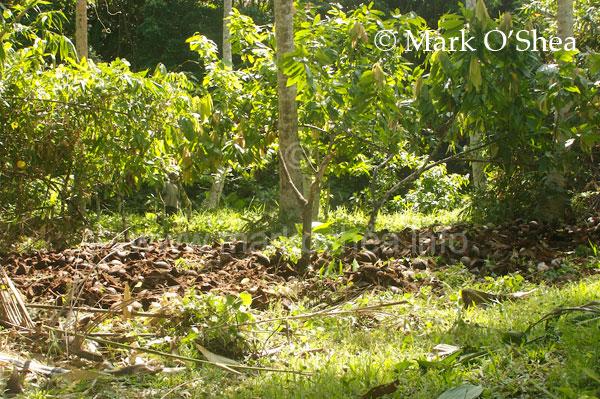
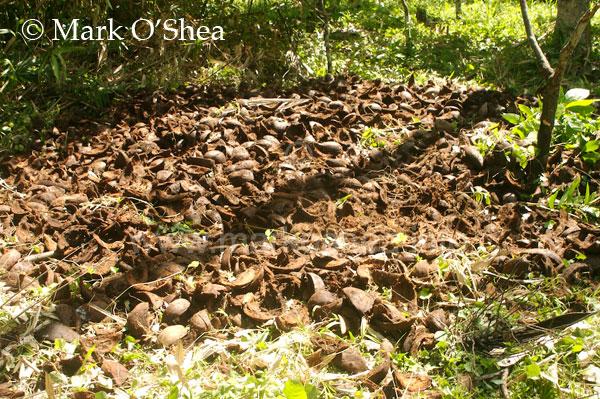
[see also visits to Karkar Island in 1990, 1993, 1994, 2000 & 2008] The species illustrated here are those intimately associated with coconut husk piles, although they may be found elsewhere in other habitats on the island. This is not an exclusive list of husk pile herps for Karkar Island, but rather those species encountered during the 2006 visit. For other species found in husk piles visit the other Karkar Island expedition pages for the years 1990-2008 above and for non-husk pile species click here. The amphibian encountered in the husk piles is the direct-breeding Papuan wrinkled frog (Platymantis cf. papuensis), a highly variable frog which may be more than one species.
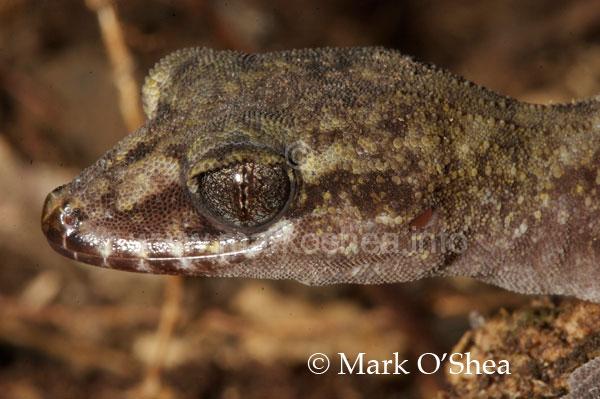
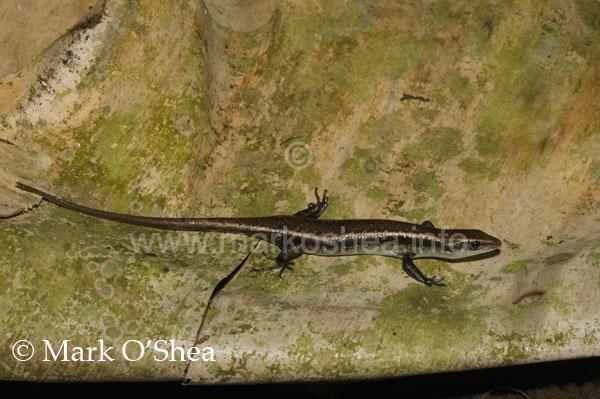
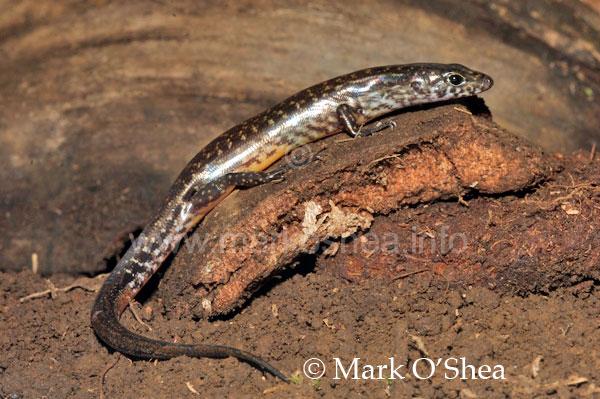
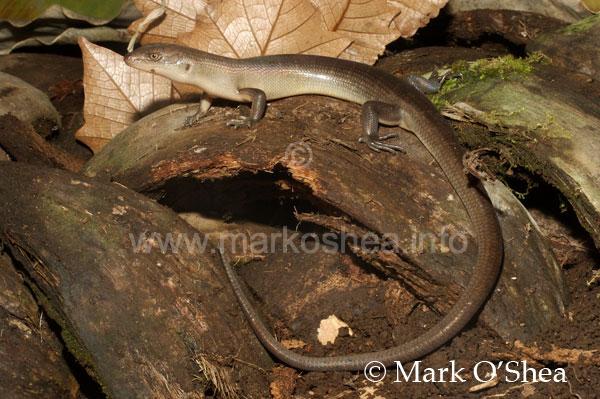
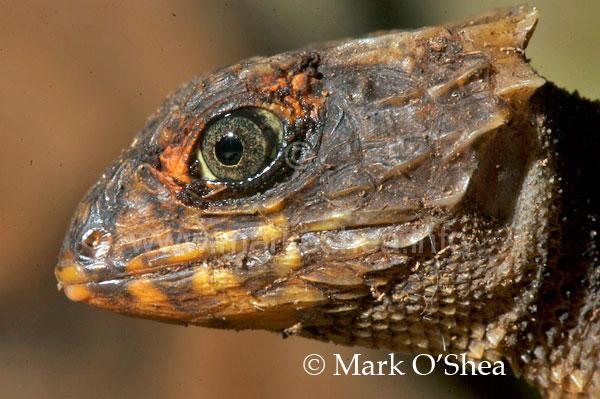
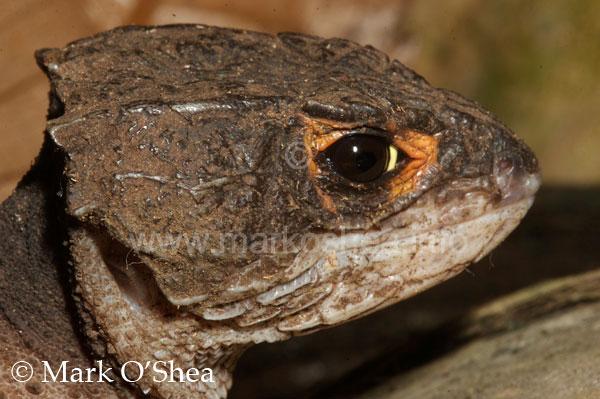
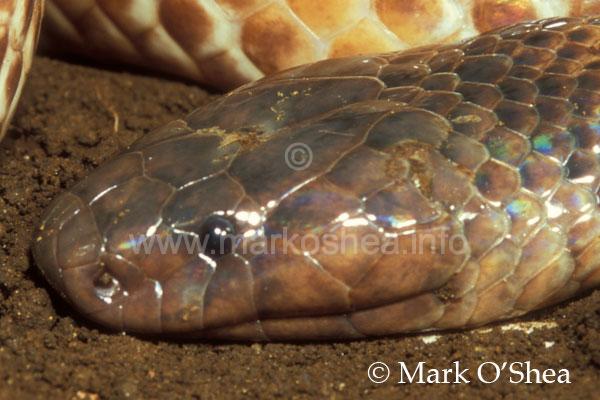
The most frequently encountered lizard within the husk piles is the Pelagic gecko (Nactus cf. pelagicus), as many as 20 being found in a single husk pile. Also present on and in the husk piles in 2006 were Dusky skinks (Emoia obscura), elongate Wolf's forest skink (Sphenomorphus wolfii), the saurophagous Brown sheen skink (Eugongylus rufescens) and the incredible Papuan crocodile skink (Tribolonotus gracilis), one of my two favourite lizards in the world. Other skinks have been recorded on other visits to Karkar. Although colubrids are sometimes found in coconut husk piles none were found there in 2006. The commonest snake encountered was the New Guinea ground boa (Candoia aspera schmidti). We worked hard, searching numerous husk piles for the New Guinea small-eyed snake (Micropechis ikaheka) and were eventually successful, finding two in the same husk pile, the first time I have done that.
[Page 1 - The Island] [see also visits to Karkar Island in 1990, 1993, 1994, 2000 & 2008]
| ||||||||||||||||||||||||||||