|
|
||||||||


|
PAPUA NEW GUINEA 2006
Karkar Island
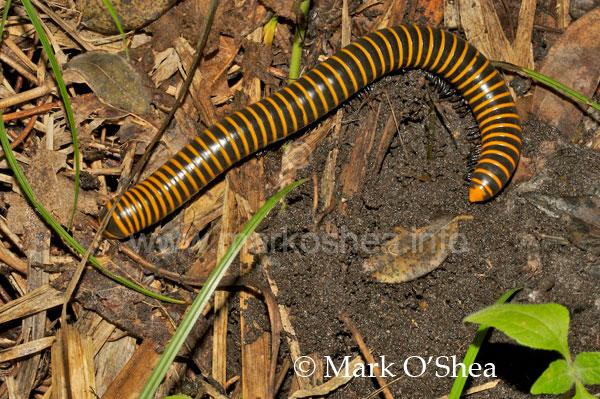
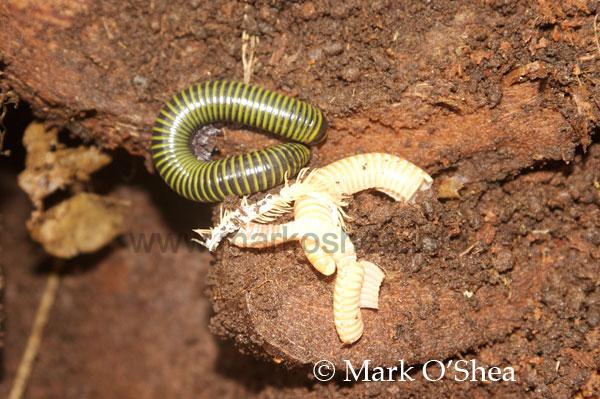
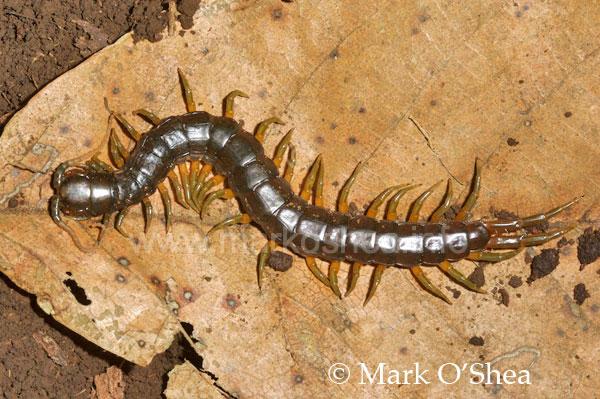
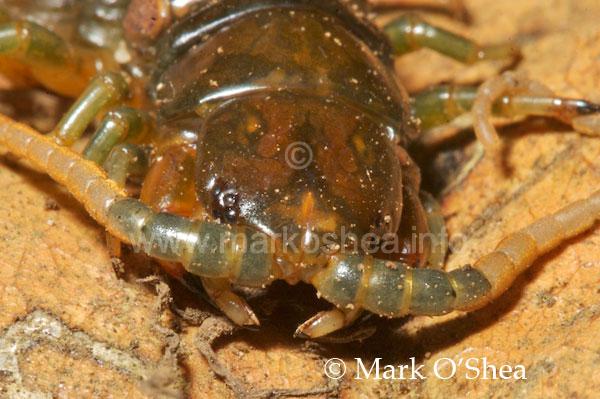
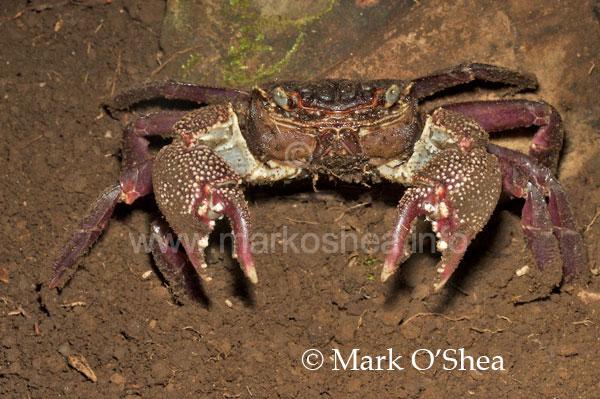
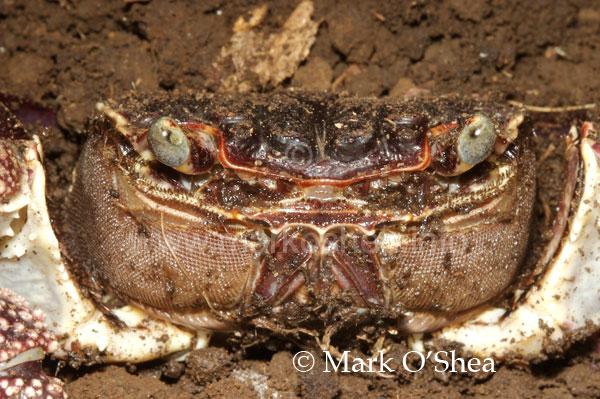
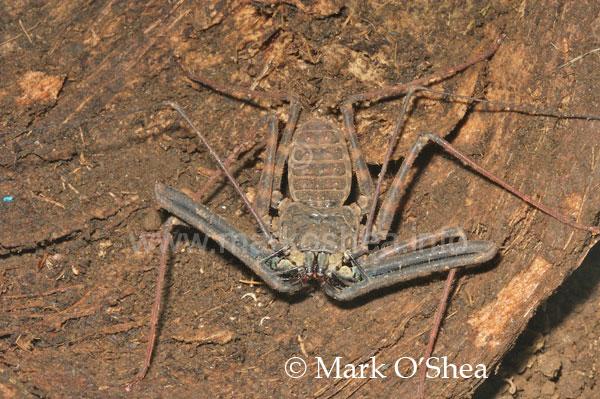
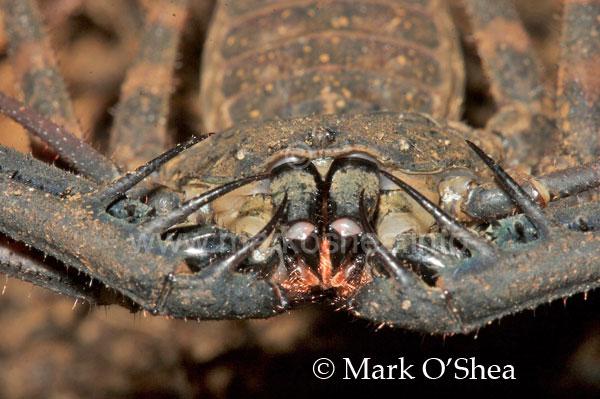
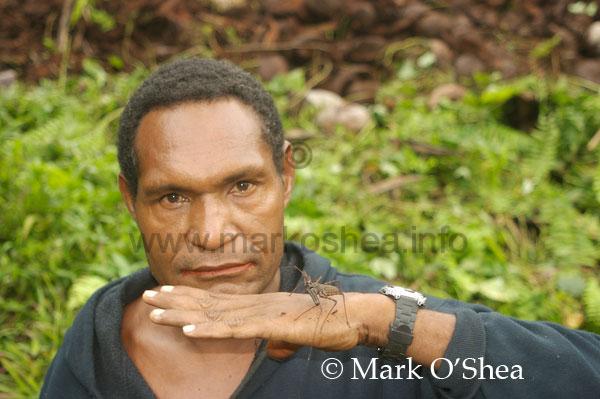
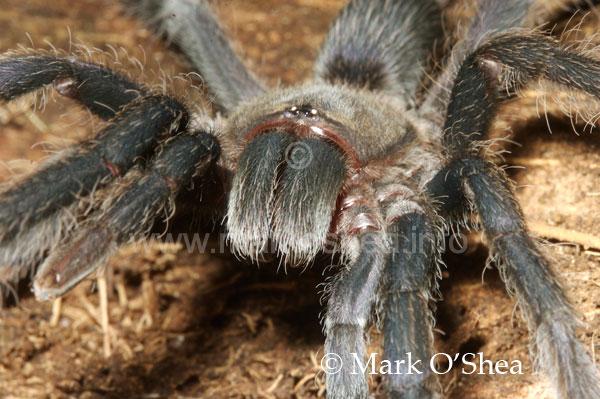
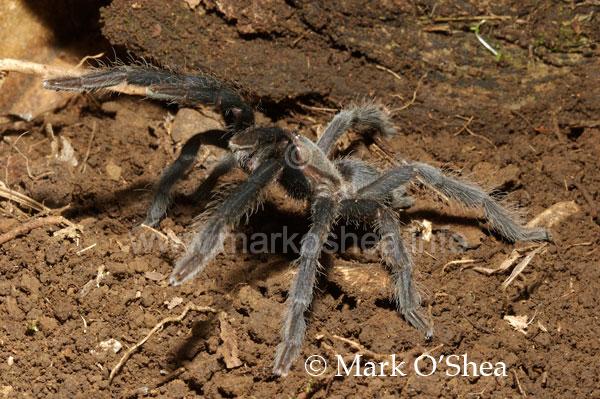
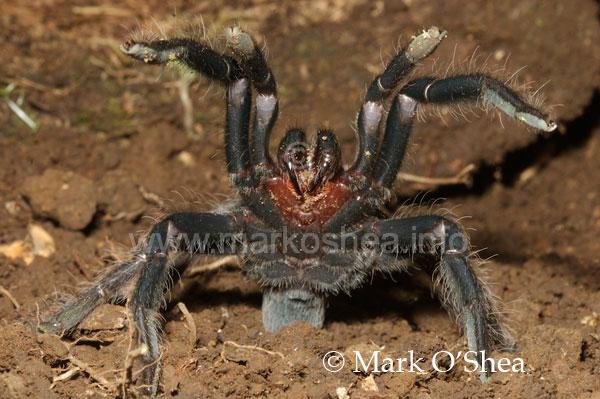
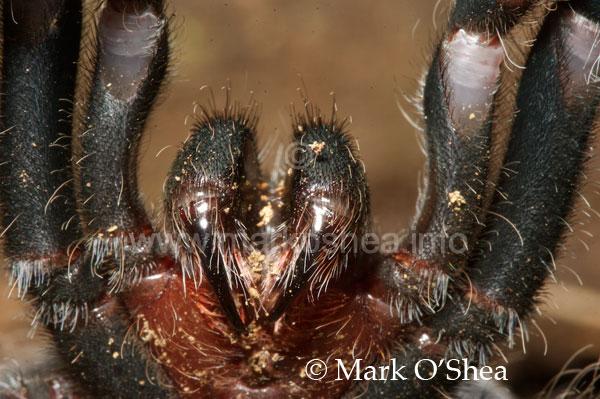
[see also visits to Karkar Island in 1990, 1993, 1994, 2000 & 2008] The coconut husk piles are also home to numerous large invertebrates, although the most numerous species must be the termites and ants that take them through their succession from fresh to decayed. The most frequently encountered large invertebrates are millipedes [Myriopoda: Diplopoda], an unknown orange and black banded species being especially common. Centipedes [Myriopoda: Chilopoda] are less abundant but usually present, large venomous species I believe to be Giant Australian centipedes (Ethmostigmus rubipes) being found quite often. Unidentified land crabs [Decapoda: Gecarcinidae) are also found in the husk piles. The widespread Gray's whip scorpion (Charon grayi) is also fairly common in the husk piles. Despite its fearsome appearance, it is perfectly harmless. Scorpions have been found in the past but not during the 2006 visit. The large and aggressive bird-eating or tarantula spiders are believed to be a species of New Guinea bird-eater (Selenocosmia sp.). We would appreciate any advice or assistance with the correct identification of any of these large invertebrates.
[Page 1 - The Island] [see also visits to Karkar Island in 1990, 1993, 1994, 2000 & 2008]
|